What is Co-Design
with Kids?
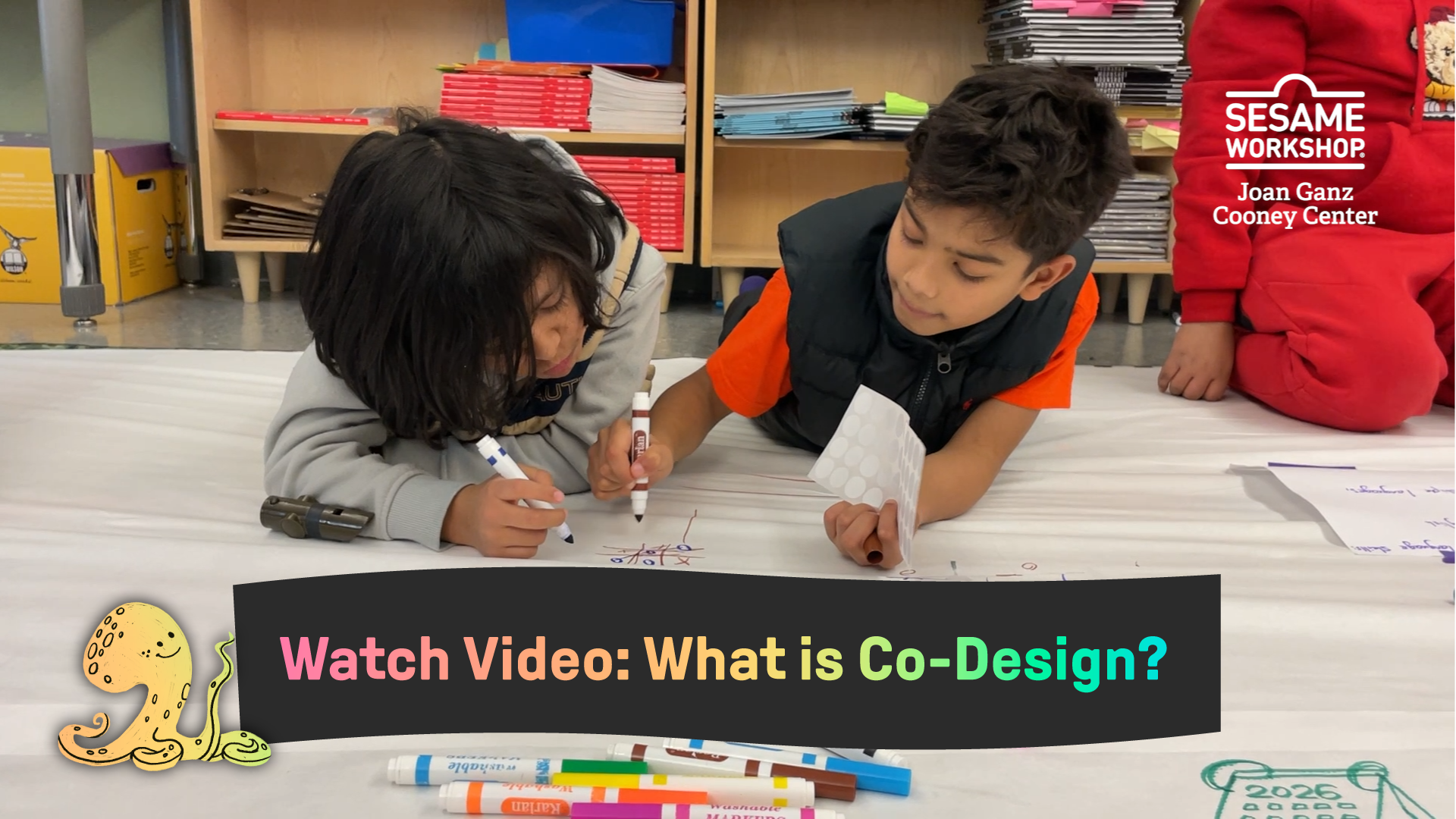
The philosophy of co-design
Fundamentally, co-design refers to working with end-users as partners during a design process. End-users often have unique insights into specific needs and wants for products. For example, a ballet dancer knows well what they want and need in a pointe shoe, and a factory worker knows what is helpful in a machine they are using repetitively each day.
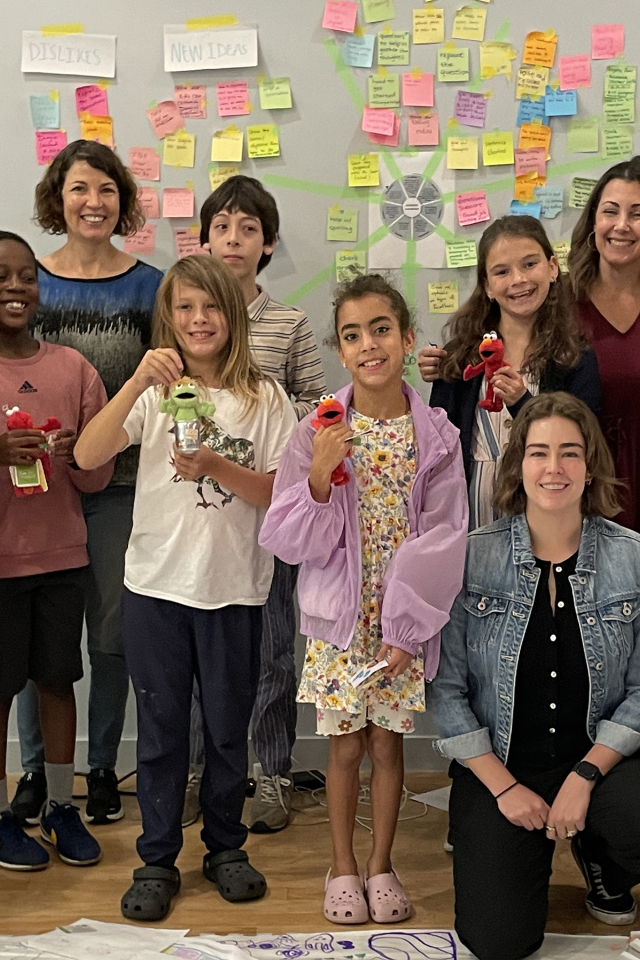
Co-design does not mean simply allowing end-users to design products without the input of other relevant experts. Co-design means bringing together experts in relevant fields, as well as end-users, to work together to design new and innovative products. So for our ballerina, we would also need a cobbler on the team, and the factory worker’s team would include engineers. Co-design teams who work with children are not only interdisciplinary, they are also intergenerational.
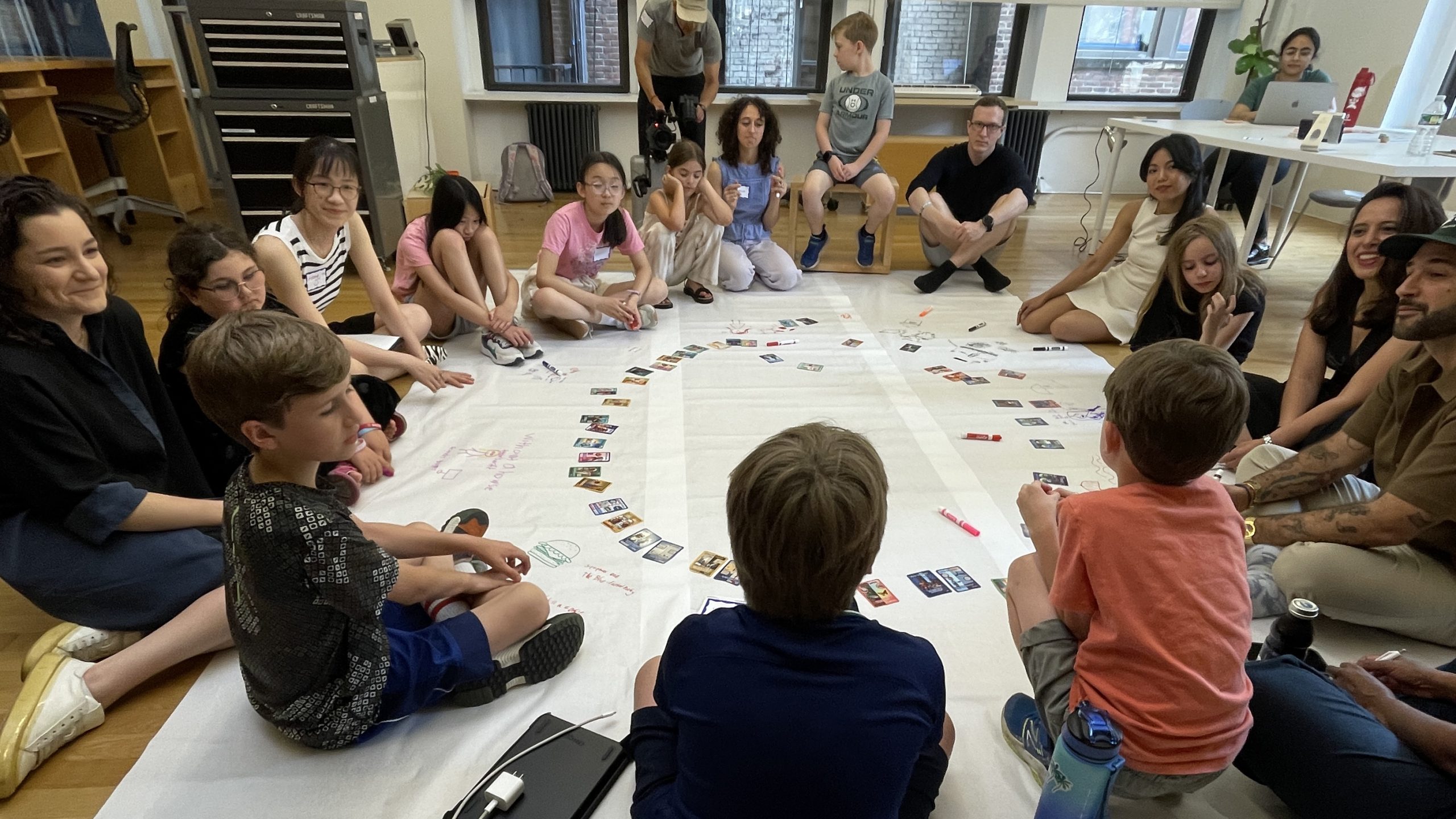
Design innovative products with kids, for kids.

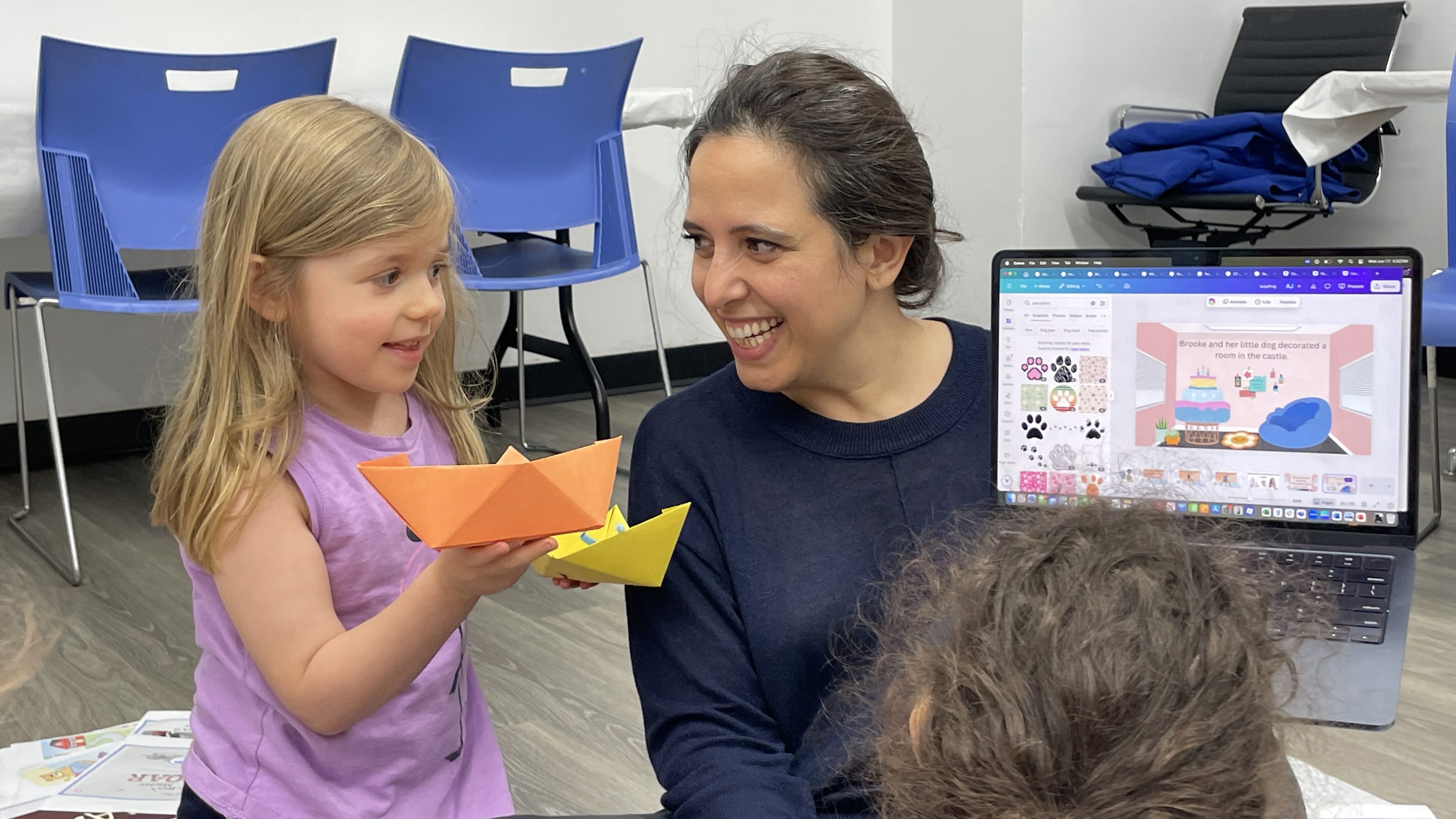
Co-designing with children
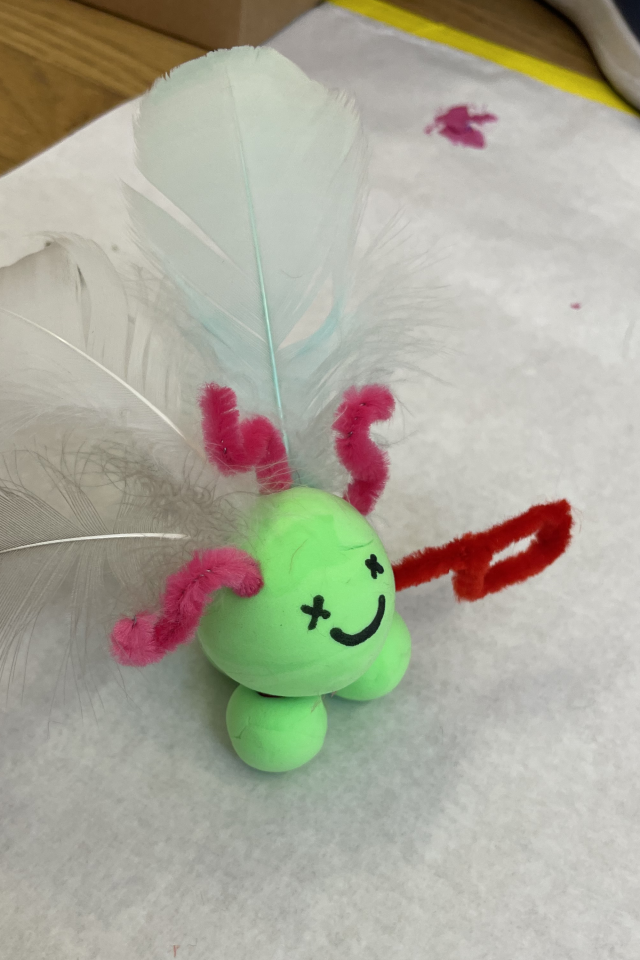
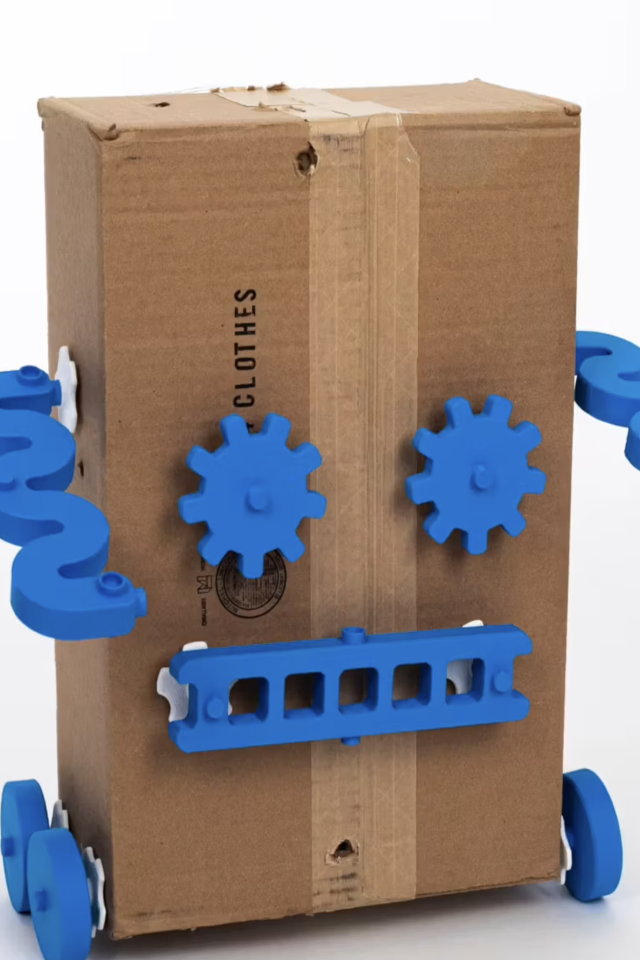
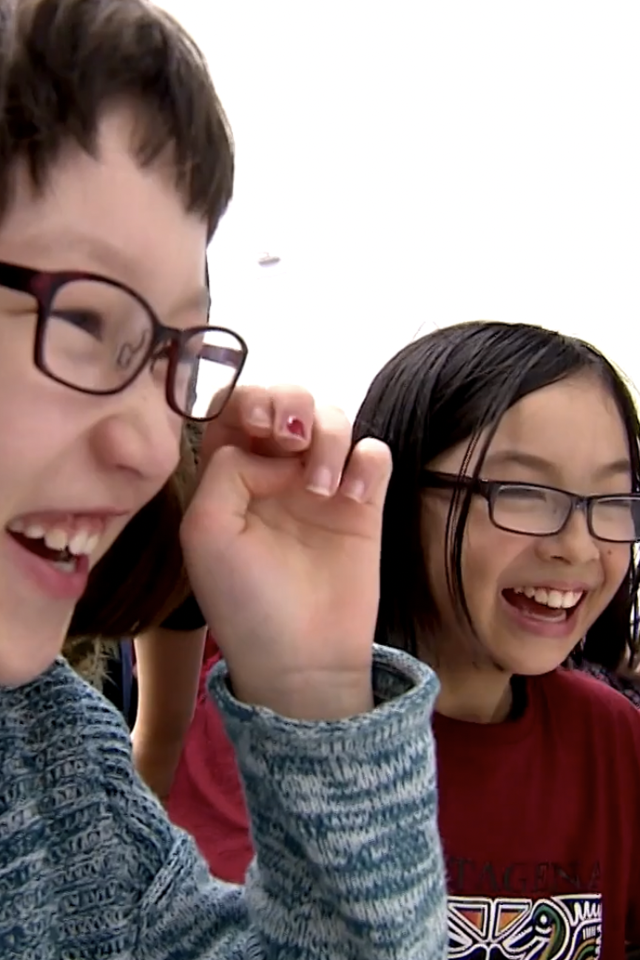
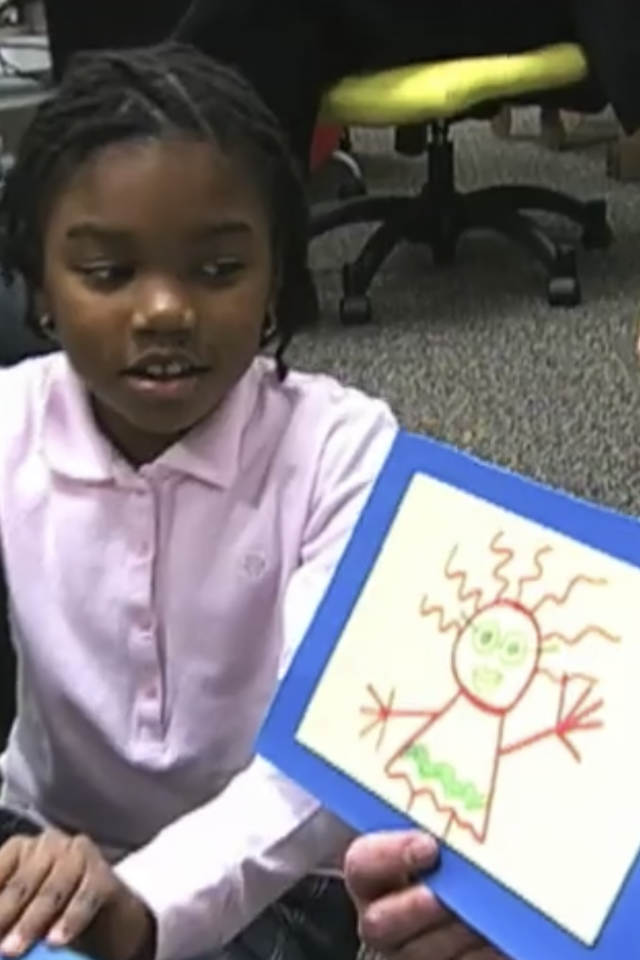
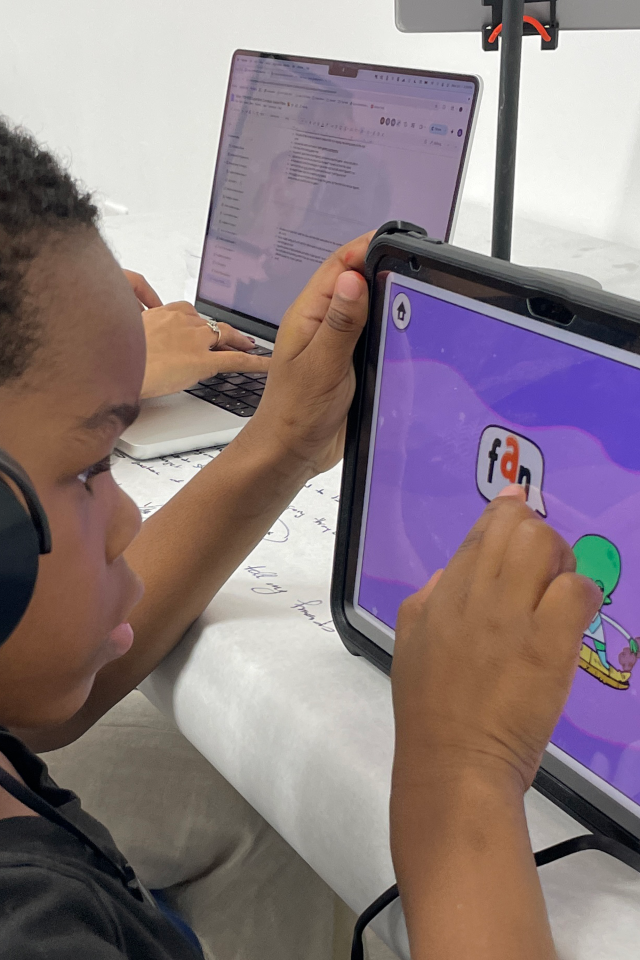
Children are an often overlooked group to include as co-designers on products for which they are the end-users. Kids of today have entirely different lived experiences than adults did as children decades in the past. Listening to and drawing from the unique experiences and input of children throughout a design process can lead to more creative, innovative, and timely technology, media, and products. When co-designing with kids, we must be aware that they are not just small adults, and plan our sessions with care, respect, and empathy for our young design partners.

Co-design is an in-depth process that requires time, commitment, and expertise from everyone involved.
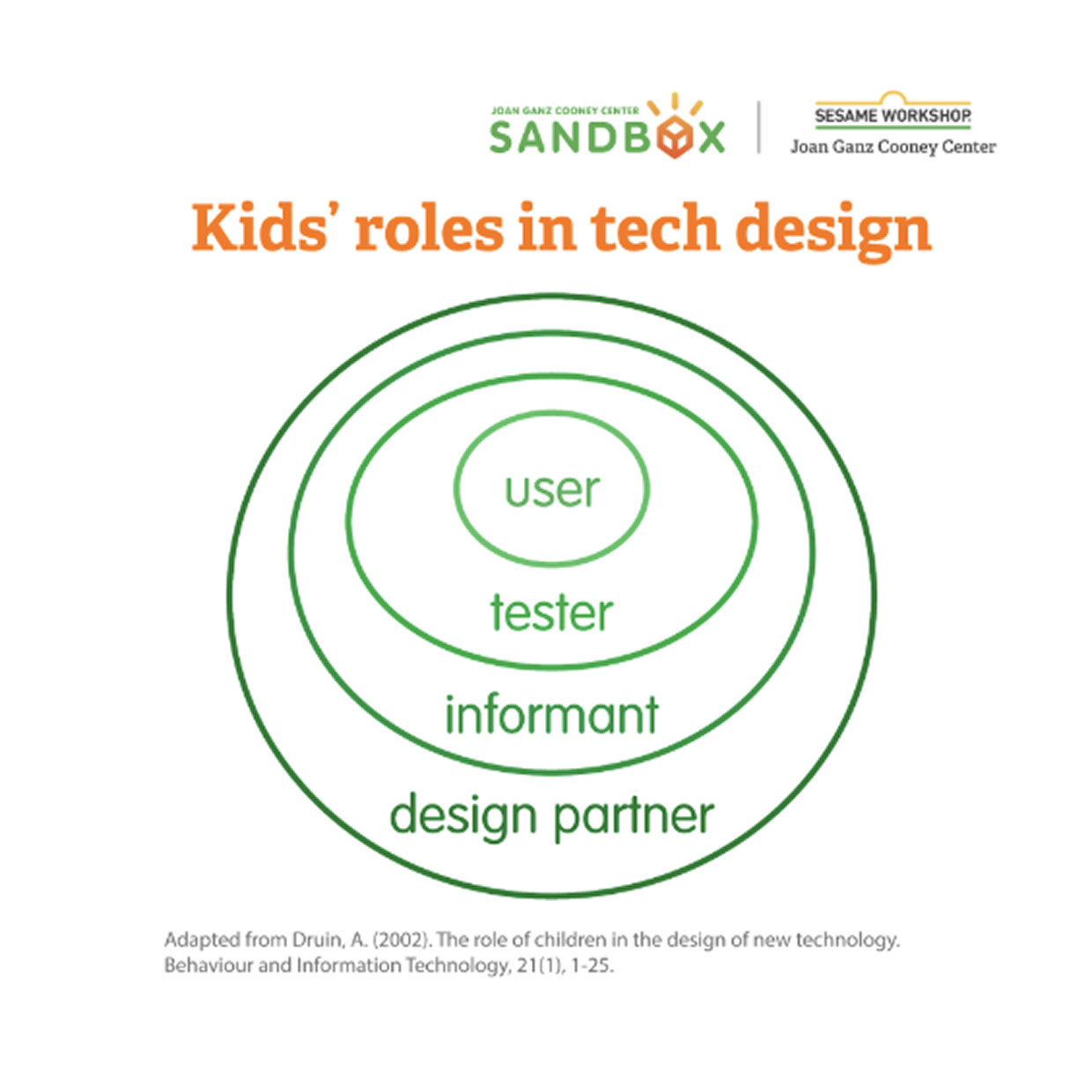
Kids’ roles in tech design
The figure shows that children can be involved in many ways in the design process, from limited roles as users and testers when a product is finished or close to finished, to more in-depth roles as informants and design partners starting earlier on in the design process. Co-design falls in the Design Partner ring, in which children are working together with adults to elaborate on ideas together. While it is important to work with children in many ways during a design process (see our Playtest with Kids website), this toolkit is dedicated to offering guidance for successful co-design with children.
References
Druin, A. (2002). The role of children in the design of new technology. Behaviour and Information Technology, 21(1), 1-25.
Druin, A., Guha, M.L., & Yip, J. (in press). The past and future of co-design with children: Inclusivity, innovation, and impact. In J. Jacko (Ed.) Human-Computer Interaction Handbook, 4th edition, Taylor and Francis.
Fails, J.A., Druin, A., & Guha, M.L. (2013). Methods and techniques for involving children in the design of new technology for children. Foundations and Trends in Human-Computer Interaction, 6(2).


Learn more about co-design
Explore the philosophy and approach of co-design,
co-design session components, and more.