
Product
Courses and associated apps designed to leverage undergraduate athletes’ sports engagement for life-relevant data science learning.
Age and Target Demographic
Undergraduate college athletes
Team and Partners
Led by Drs. Tamara Clegg, Erianne Weight, Sheena Erete, Dan Greene, and Malia Blue, a team of researchers and co-designers at University of Maryland and University of North Carolina.
Product Development Stage
Throughout entire process; engaging collegiate athletes in the co-creation process from initial ideation all the way through development and iteration.
Background
Often, the STEM identities of student athletes are overlooked. As many of these young athletes are Black males, this can have roots in classism and racism. The purpose of DataGOAT is to enhance athletes’ STEM identities through coursework that the student athletes co-design. This project helps to bridge the divide between athletic and academic identities for these student athletes.
Design Question(s)
How can courses for student athletes at universities leverage their STEM identities to make data science, analytics, and visualization, including data about the student athletes themselves, more accessible to these student athletes?
Process
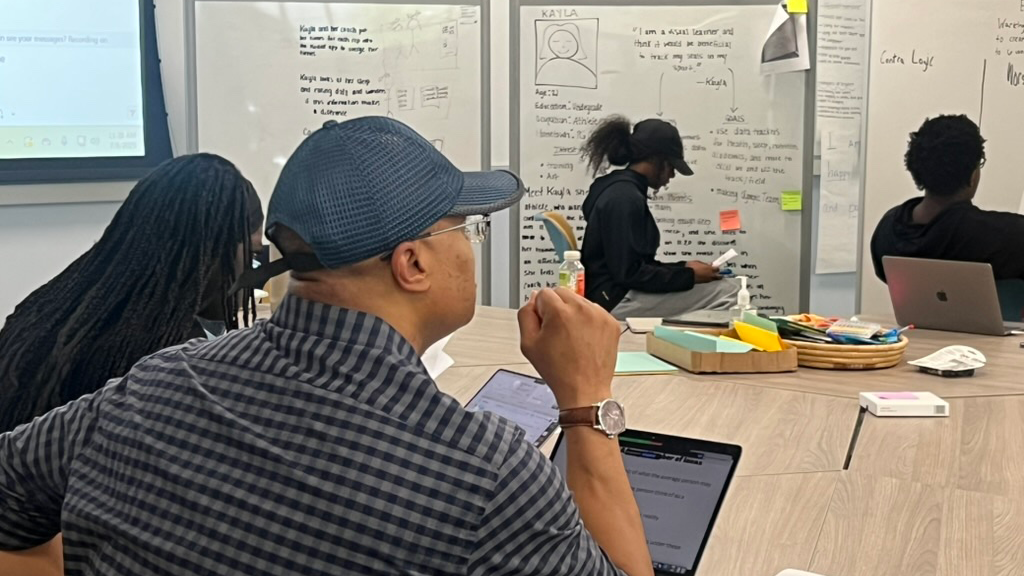
Student athletes became co-design interns on the DataGOAT research team, meeting once a week in the spring and twice a week in the summer. The students represented a variety of sports, and were paid and received internship credit for their participation.
Through co-design, collegiate athletes indicated that they wanted social activities embedded in their coursework (e.g., attending local university sporting events and analyzing the corresponding data from those events) since they are often not able to access these elsewhere due to practice and game schedules. They also wanted to learn more about how their coaches made decisions based on the data that they have, and their designs included engaging classroom experiences such as data-driven sports debates. They additionally want to understand the data practices of other aspirational athletes and try them out for themselves.
This information has been integrated into an introductory course, which is being taught by an instructor who was involved in the co-design process.
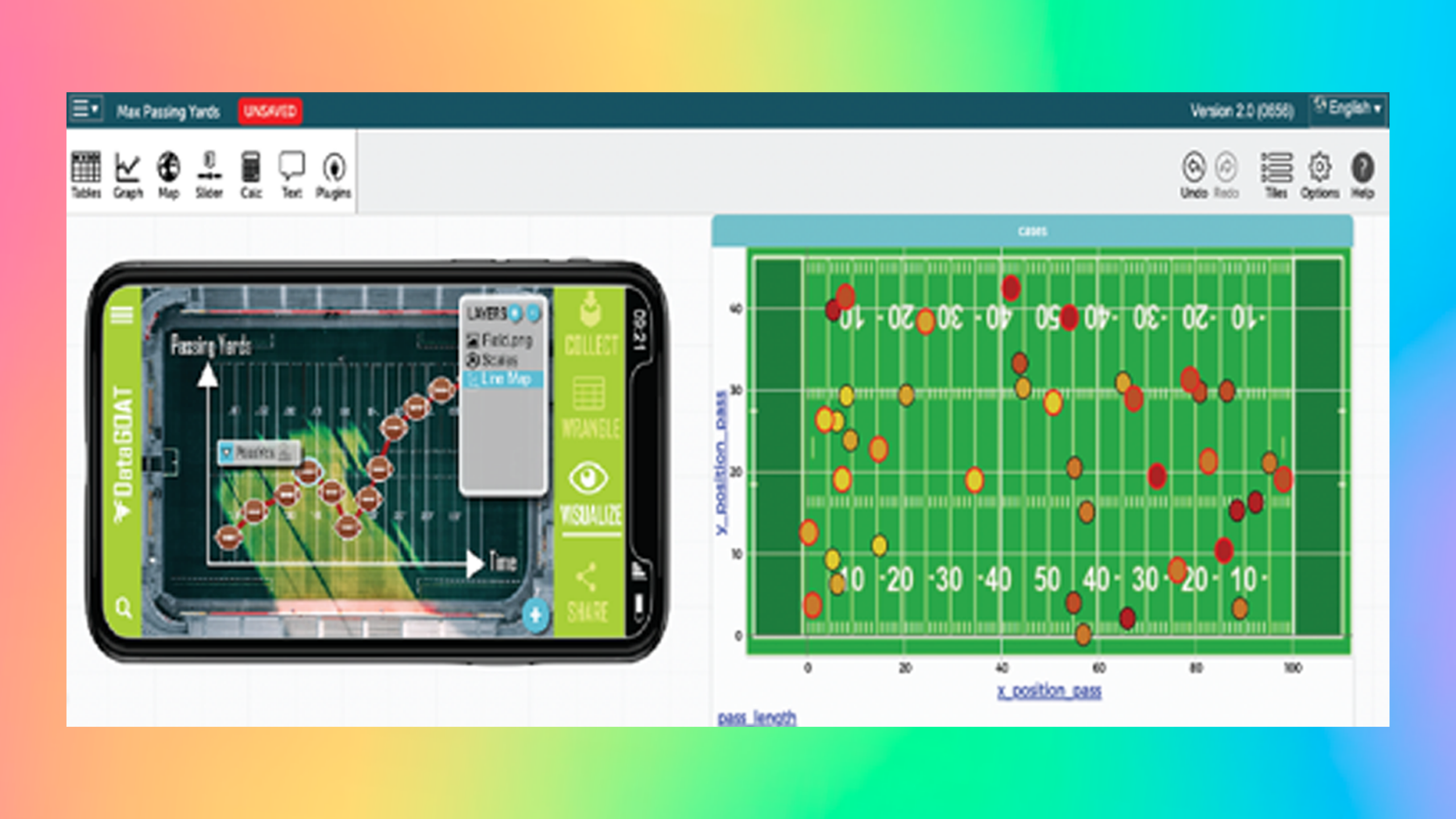
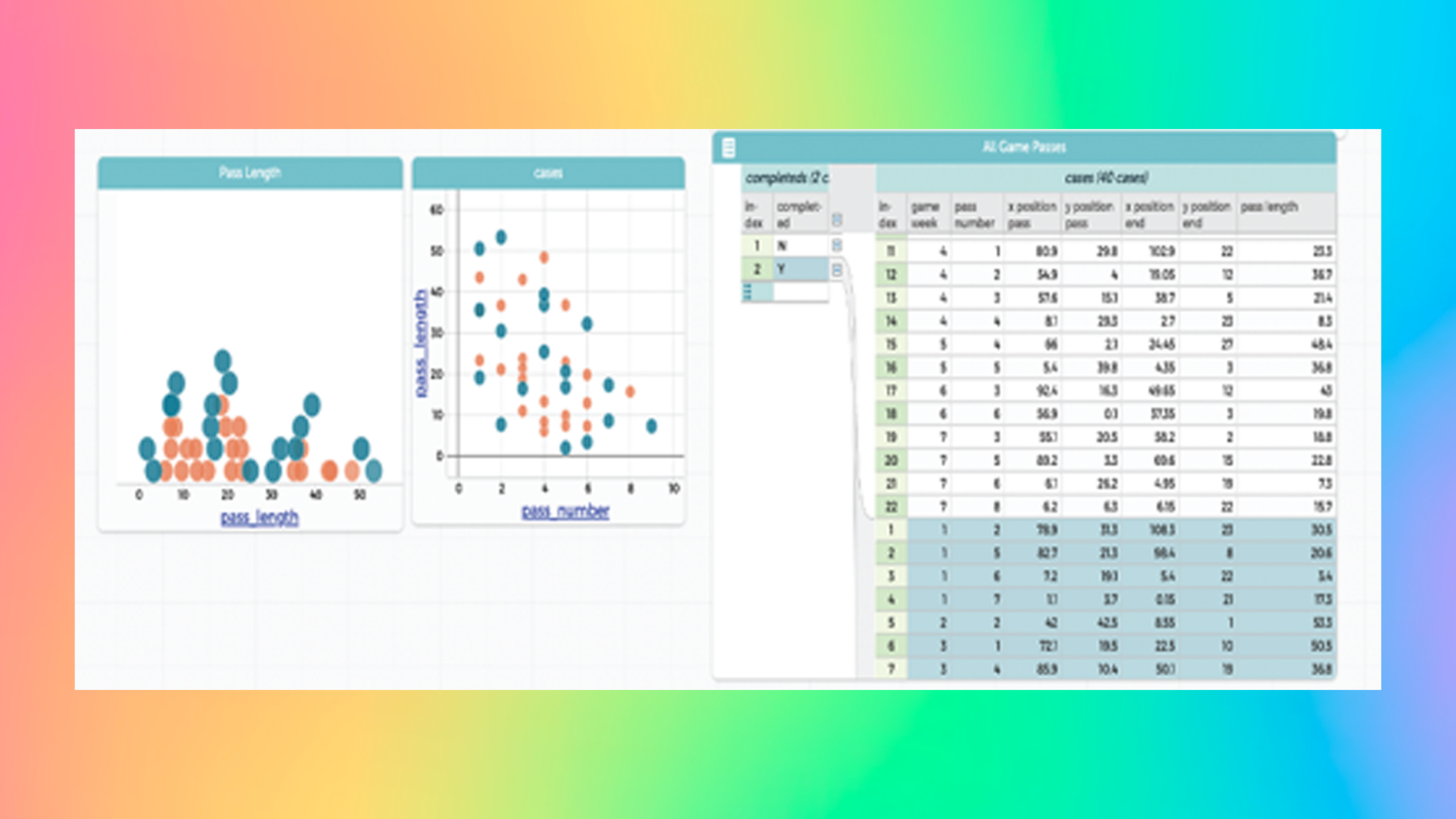
Additionally, the athlete interns are developing the syllabus and curriculum for a subsequent 200-level sports data visualization course. They are also co-designing with the Concord Consortium (self-described as “a nonprofit research and development organization dedicated to advancing STEM inquiry through technology to equip learners and empower lives”) a digital application that can be used in this class to support students’ data collection, management, analysis, visualization, and sharing in the context of sports.
Final Product
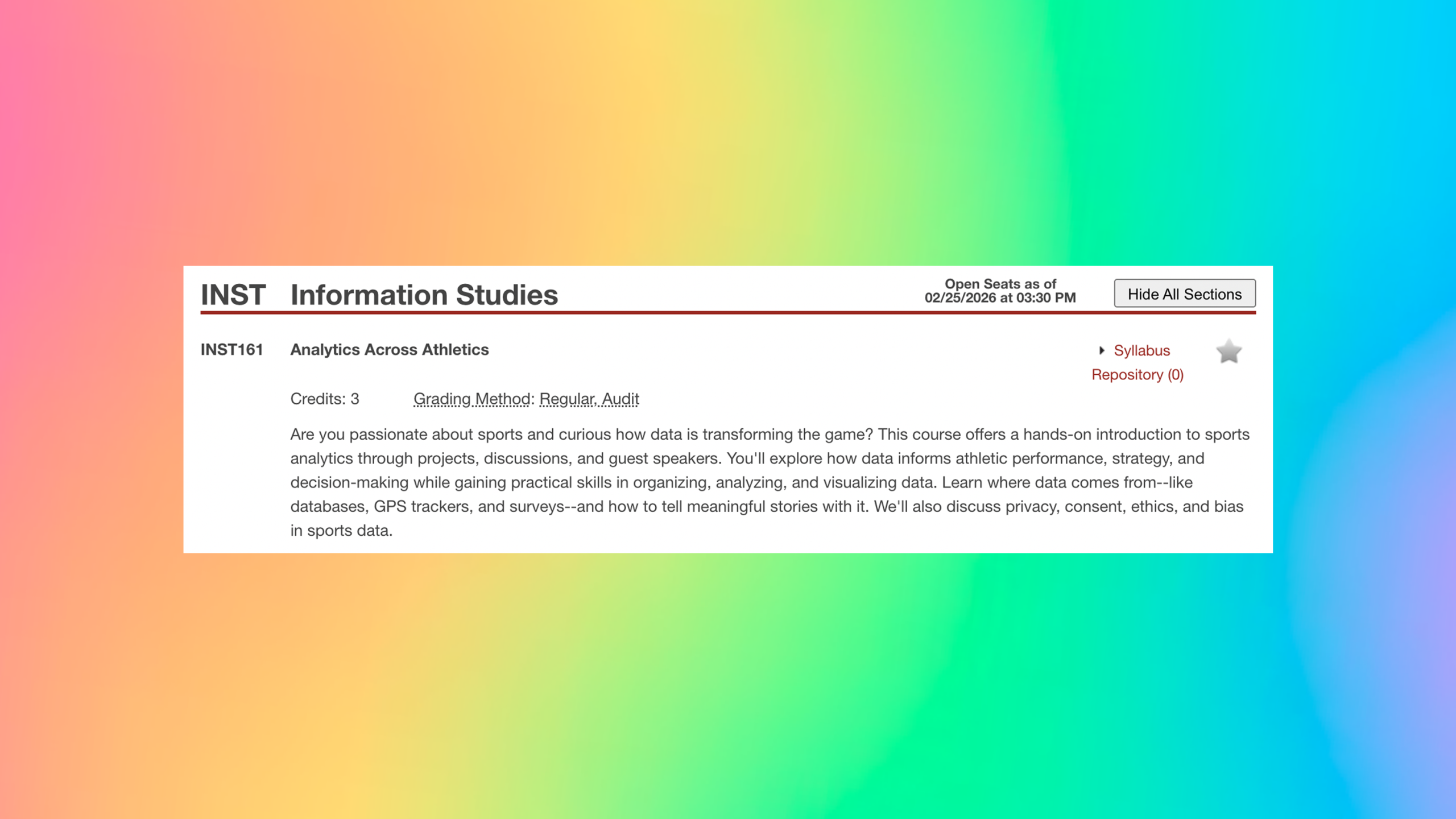
Courses to be taught by faculty and coaches and apps to support these courses. The first of these courses is INST 161, Analytics Across Athletics, being offered at the University of Maryland.
Project Photos