
Product
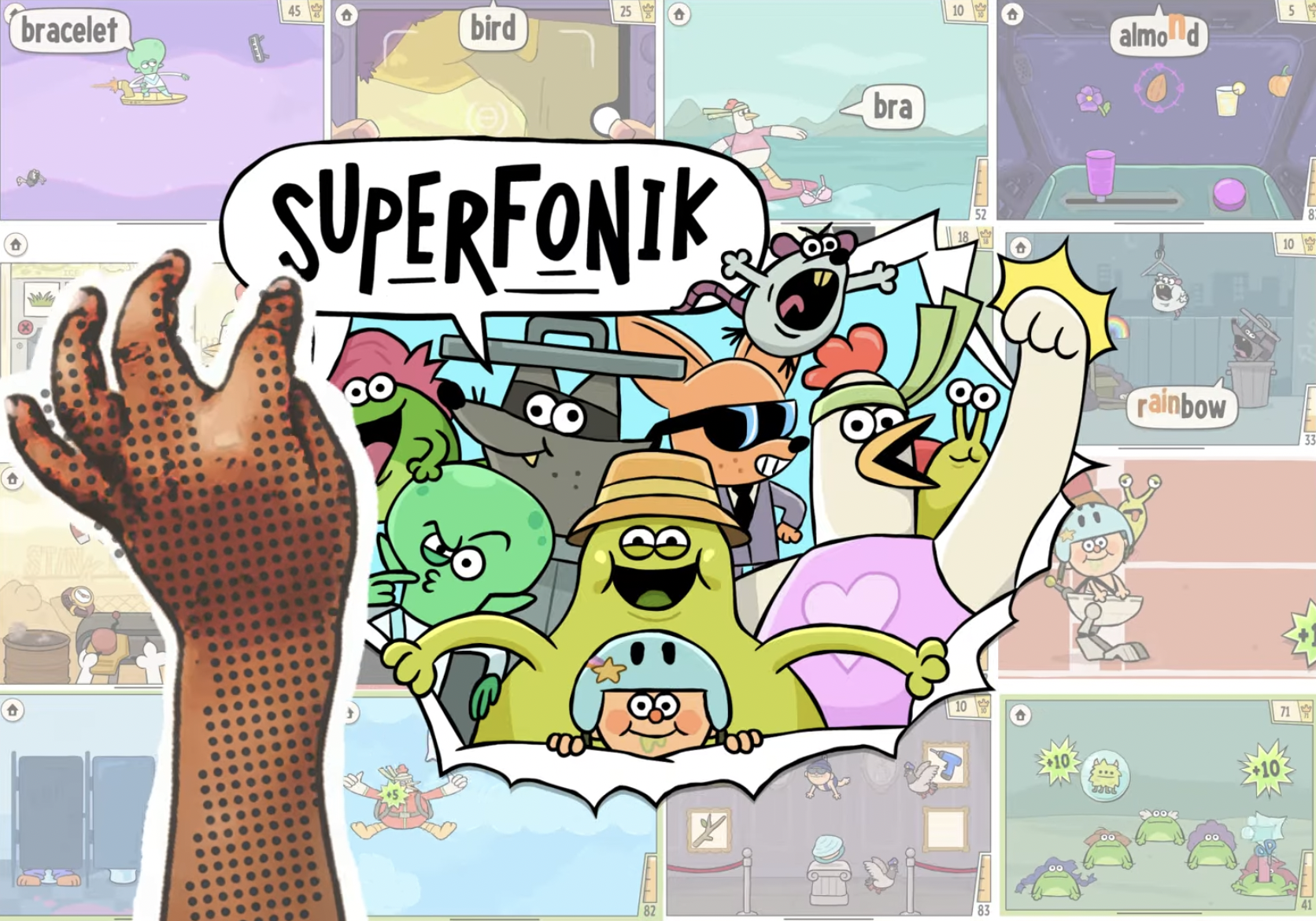
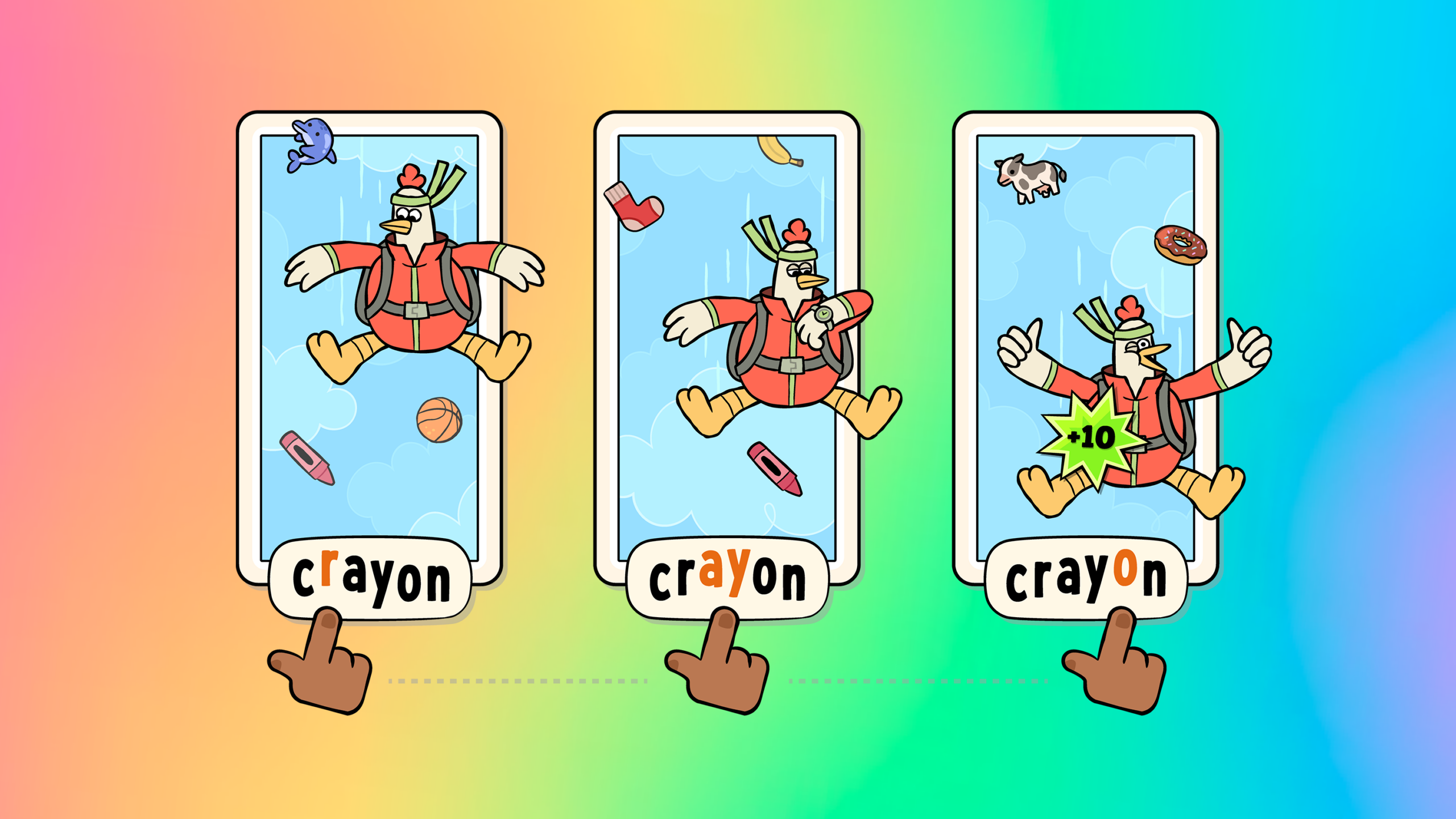
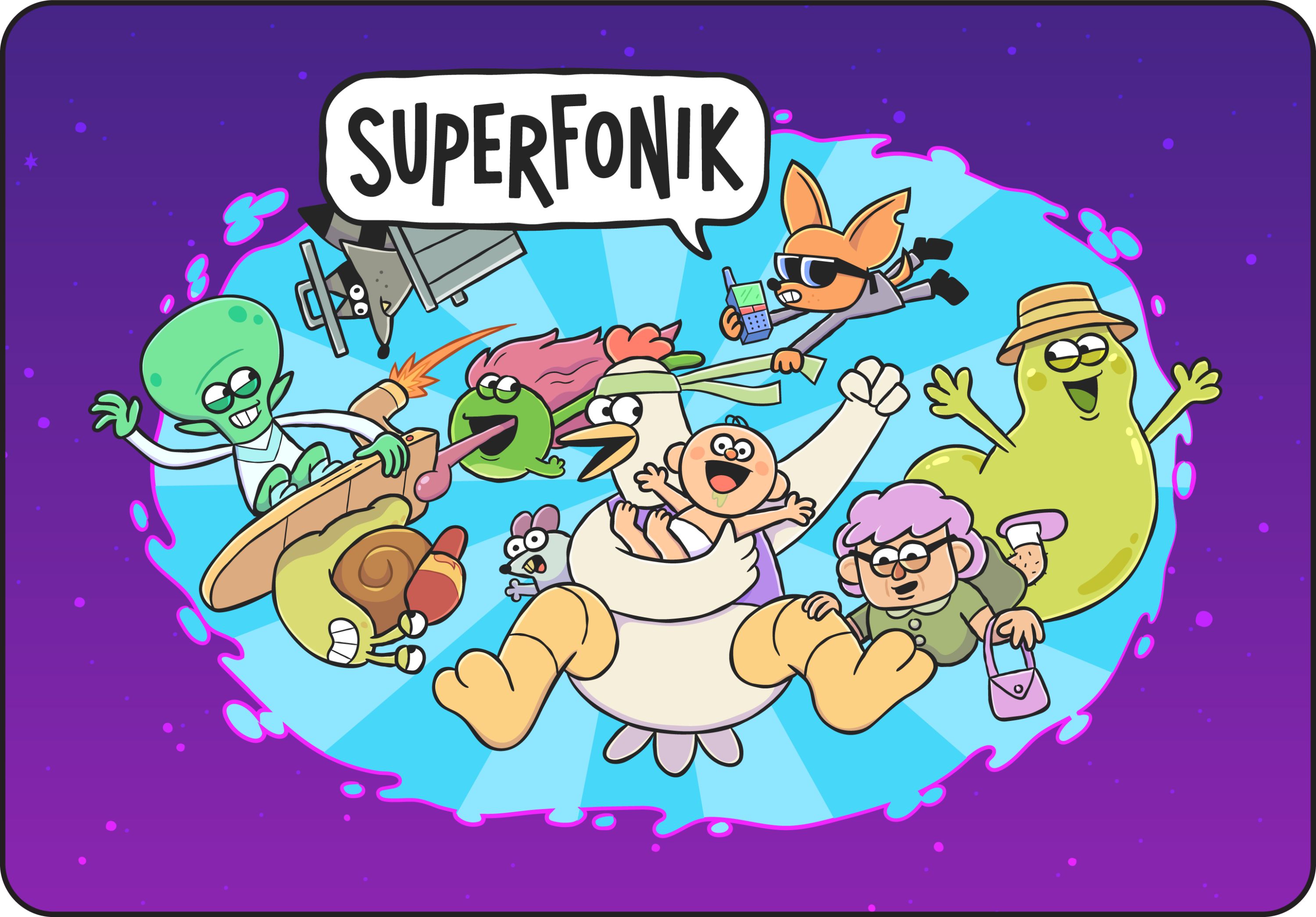
Superfonik is a learn-to-read mobile game designed for kids at a K-3 reading level. In Superfonik, kids bring comics to life by playing action-packed minigames, developing their phonics skills as they play. Getting high scores and mastering phonics skills unlocks even more minigames to play. The words in each game adapt to their individual skills, making sure they get phonics practice where they need it most. When they get stuck, puzzles helps kids practice challenging words, and a tappable tool helps kids sound-out each phoneme.
Age and Target Demographic
Children ages 5-8, including:
- Early readers in K-3
- Emergent decoders and pre-readers
Team and Partners
Joan Ganz Cooney Center Sandbox, Sago Mini, West Side YMCA, The GIANT Room
Product Development Stage
Superfonik entered the Joan Ganz Cooney Center Sandbox experience still in the development stage with strong engagement potential but emerging literacy foundations. The team sought to deepen alignment with research‑based phonics instruction, improve coherence in skill progression, and expand their co‑design methods beyond traditional playtesting and observational studies.
Background
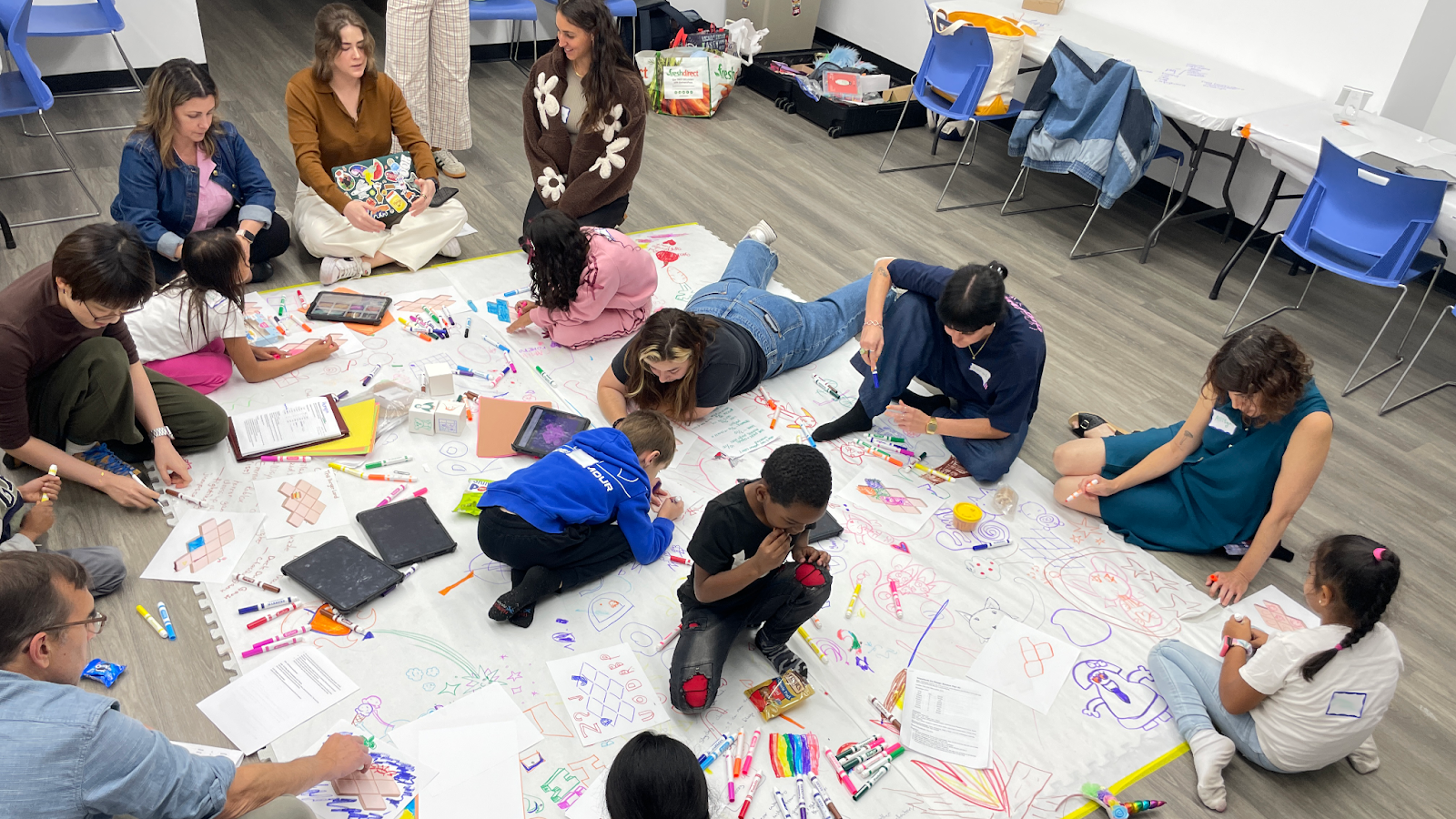
Before joining the Joan Ganz Cooney Center Sandbox, the team incorporated children into development through diary studies, open‑ended prototyping, and playtesting at local preschools. While they were comfortable observing children’s reactions to their product, structured multi‑day co-design for an in-progress product was new. The Sandbox offered literacy consultation, Universal Design for Learning (UDL) guidance, and hands-on co-design sessions.
Design Question(s)
- What types of game mechanics feel exciting, fun, and replayable?
- How do kids imagine using their avatars in the game?
- What would kids like to see at the end of a level when they did great, pretty well, or struggled and need encouragement
- What would kids like to say to someone who is doing a good job in the game?What makes them feel special? How do we make the message feel more celebratory?
- How do kids imagine their game boards and the background environment?
Process
Through literacy consultations, the team shifted from intuitive word‑frequency phonics choices to a research‑aligned phonics scope and sequence, reworking leveling, pacing, and future plans for vocabulary and sentence‑level mini‑games.
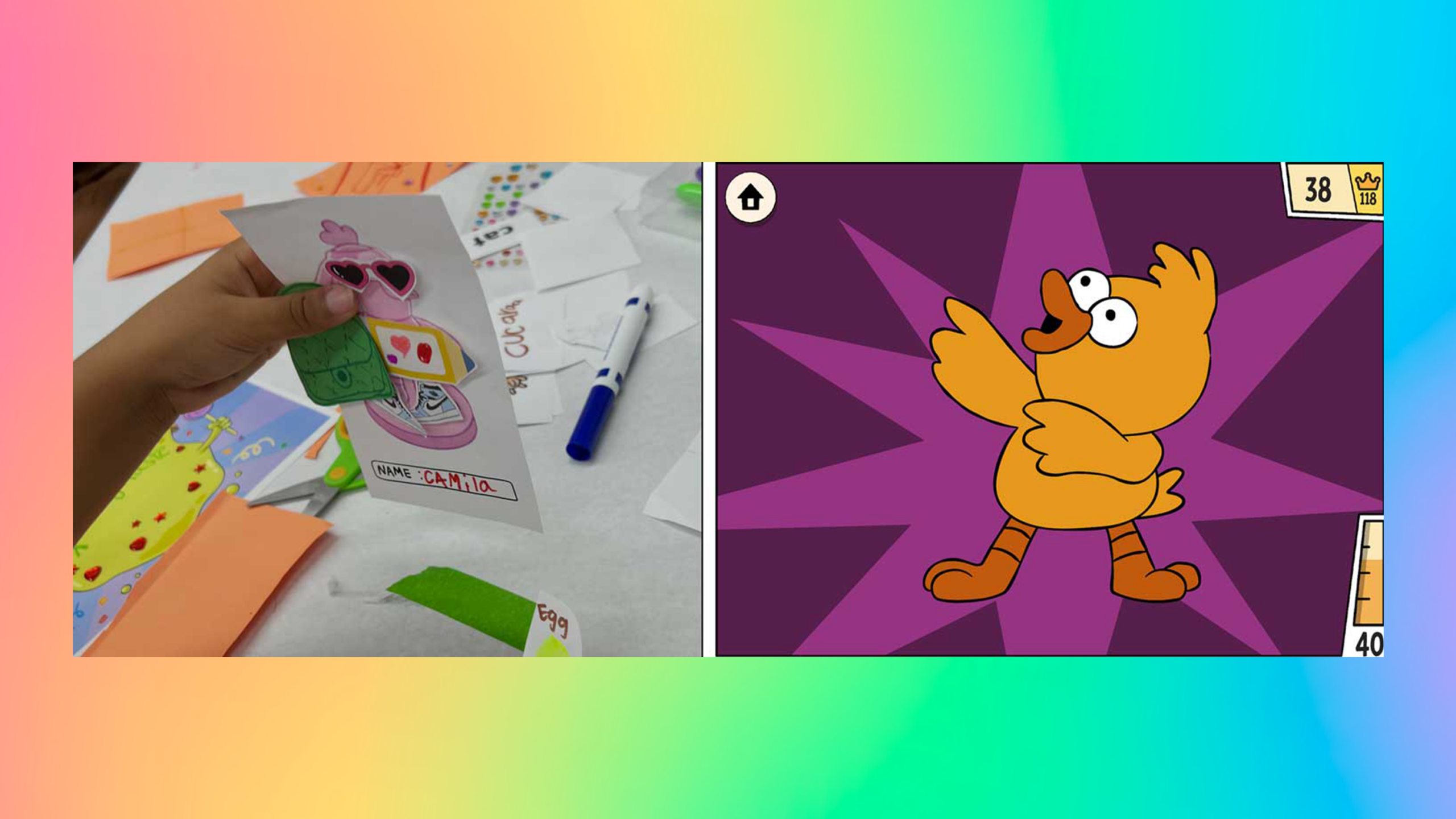
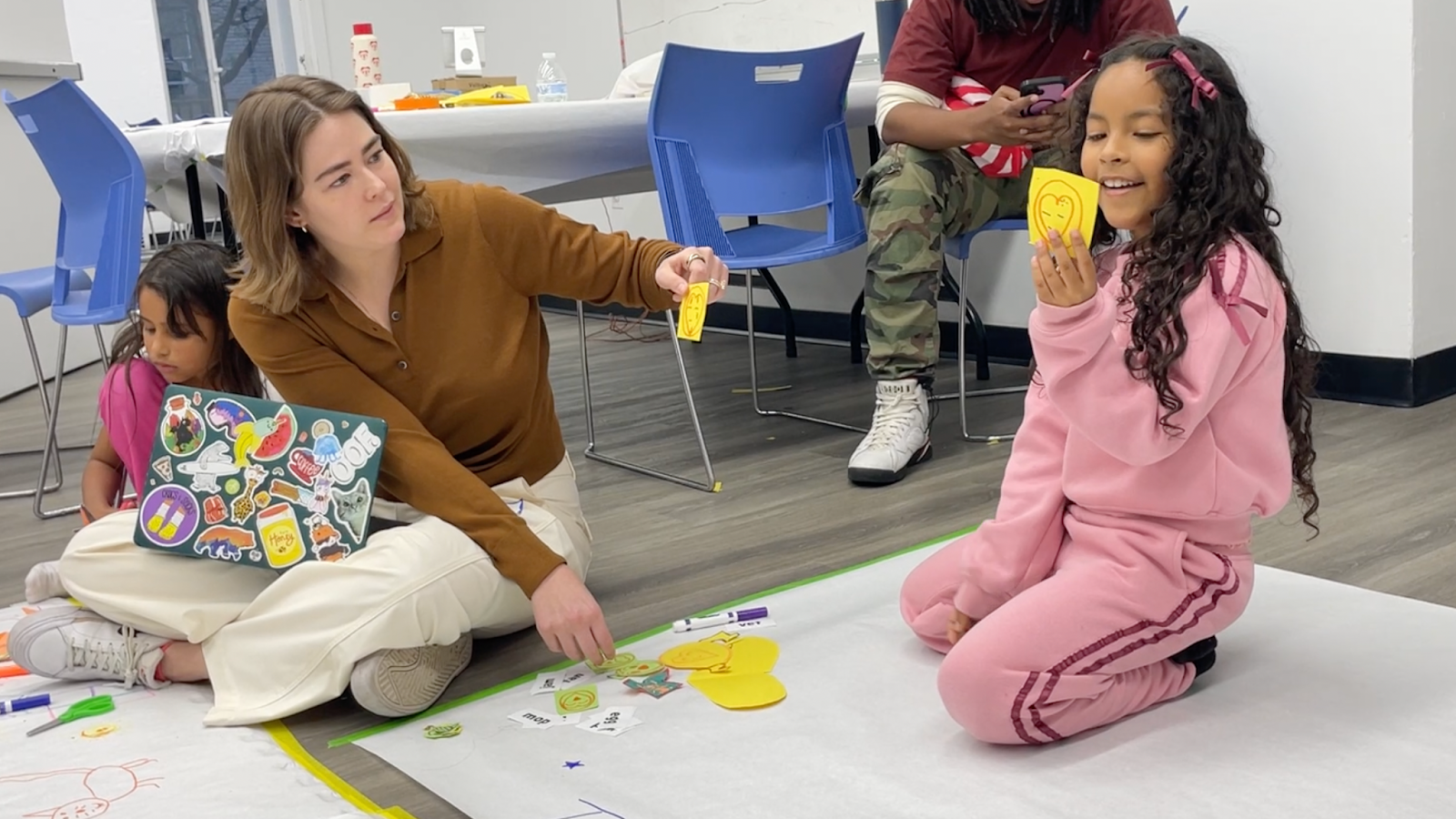
The co-design sessions with children generated some of the most impactful changes. Using open‑ended prototyping (Paper Prototyping, Low-Tech Prototyping) and movement‑based play, the team identified what truly motivates young learners, such as dancing, humor, and playful motion, resulting in new features like the chicken‑dancing mini‑game. These sessions also built internal capacity: the team now feels confident running co-design independently and plans to integrate it earlier in future development cycles.
Final Product
As a result of the Sandbox engagement, Superfonik introduced multiple enhancements centered on literacy alignment, inclusivity, and joyful engagement:
- A research‑based phonics scope and sequence, replacing informal word‑frequency selection
- Reworked leveling and pacing tied to skill mastery
- Silly, responsive animations to reinforce success and keep children motivated
- Micro‑tutorials for smoother onboarding
- Simplified spelling and input models to increase accessibility
- The co‑designed chicken dancing mini‑game, rolling out globally
Project Photos and Video