Product
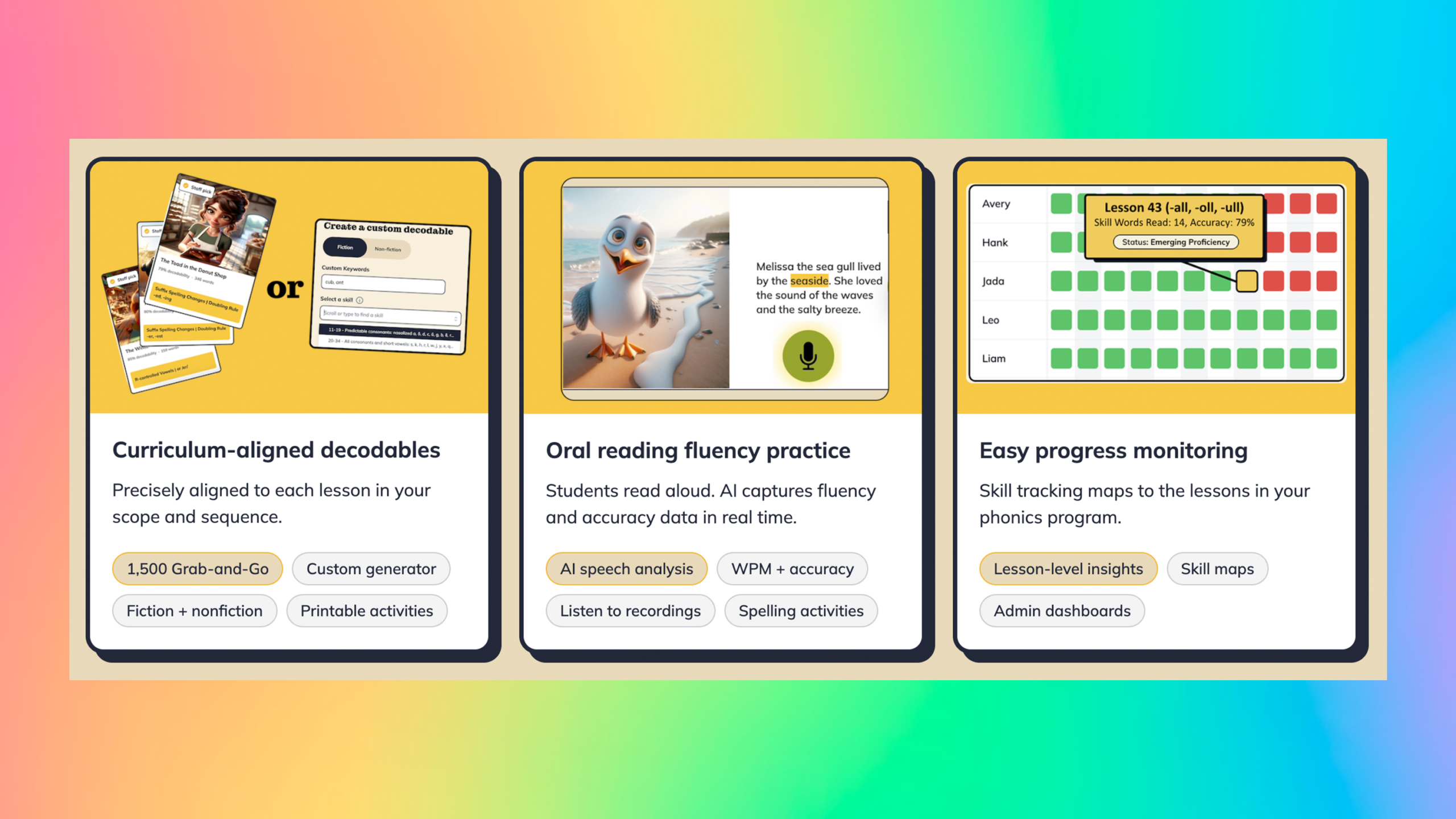
LitLab.ai is an AI-powered early-literacy tool that generates personalized, curriculum-aligned decodable stories matched to each child’s reading level, interests, and identity. Teachers can use the library or generate their own stories and support fluency through online oral reading practice and progress monitoring.
Age and Target Demographic
Early readers in K-2, including multilingual learners, emerging decoders, and students needing targeted support in word recognition, fluency, and comprehension.
Team and Partners
Joan Ganz Cooney Center Sandbox, LitLab, The GIANT Room
Product Development Stage
LitLab is an early-literacy technology already in classrooms, with strong decoding assets and AI‑generated stories. In the Joan Ganz Cooney Center’s Sandbox for Literacy Initiative, LitLab was looking to:
- Improve feedback and comprehension supports
- Integrate insights from co-design with children
- Align features with a UDL framework
Background
This work took place within the Joan Ganz Cooney Center’s Sandbox for Literacy Innovations, for designers of early-stage literacy products, where JGCC provided literacy consultation, universal design for learning (UDL) training, and co-design sessions with children implemented by The GIANT Room.
Design Question(s)
- What types of feedback help K–2 students persist and self-correct while reading?
- How should reading sessions flow to feel natural, playful, and supportive?
- How do students want to personalize and engage with the stories they read?
Process
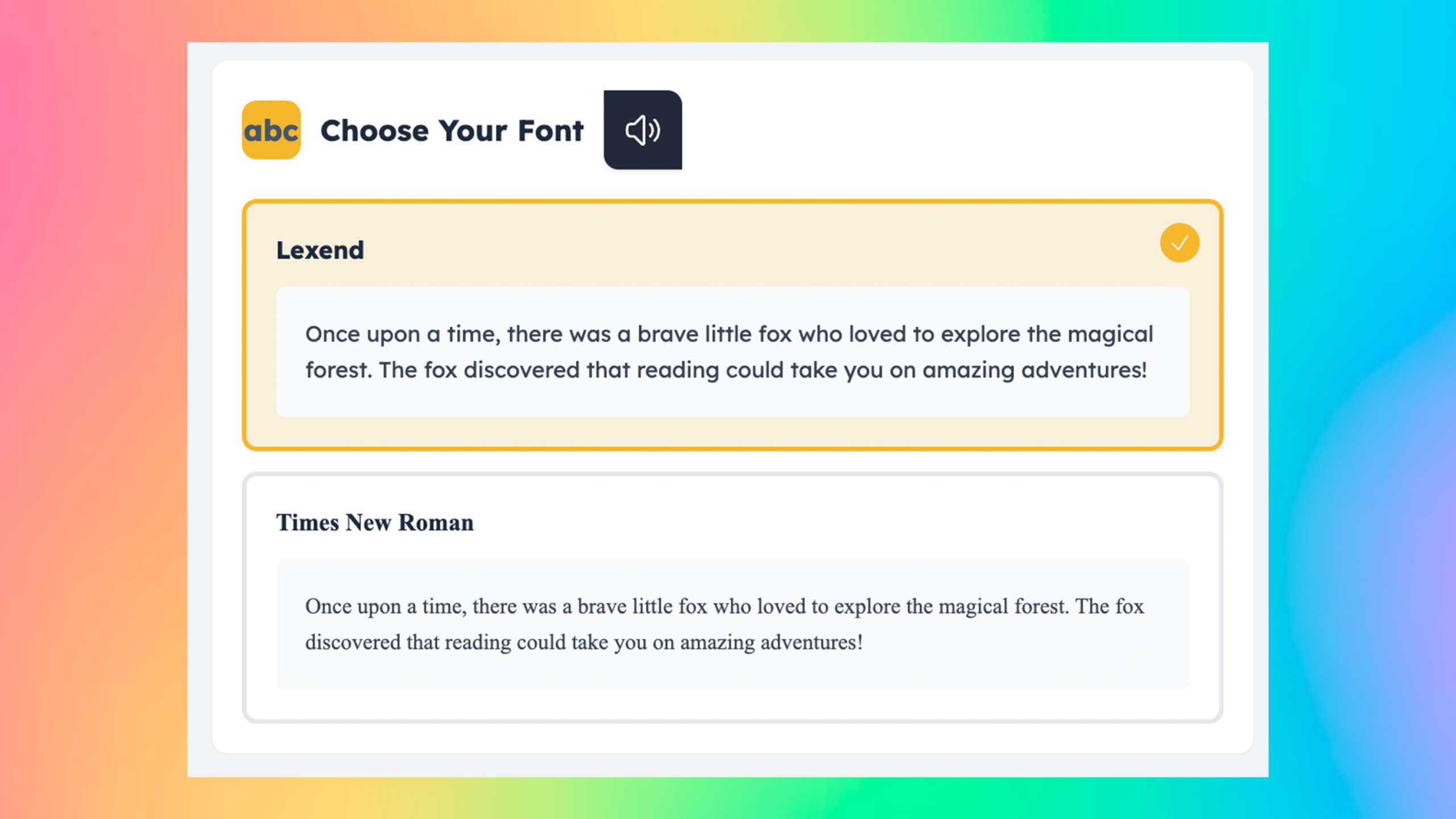
- Across the Sandbox experience, LitLab engaged in three interconnected strands of work – literacy consultations, UDL integration, and co‑design with children – that collectively reshaped both their product and their team’s practices. Through literacy consultations, the team refined their instructional logic to include research-aligned fluency benchmarks, adding vocabulary and comprehension scaffolds, and implementing error analysis and multilingual supports. In the UDL and Learner Variability workshop, the team deepened its commitment to multimodal design, planning future enhancements such as orthographic mapping and visual or gesture-based vocabulary pre-teaching, while also adding immediate customizations like user-selected fonts.
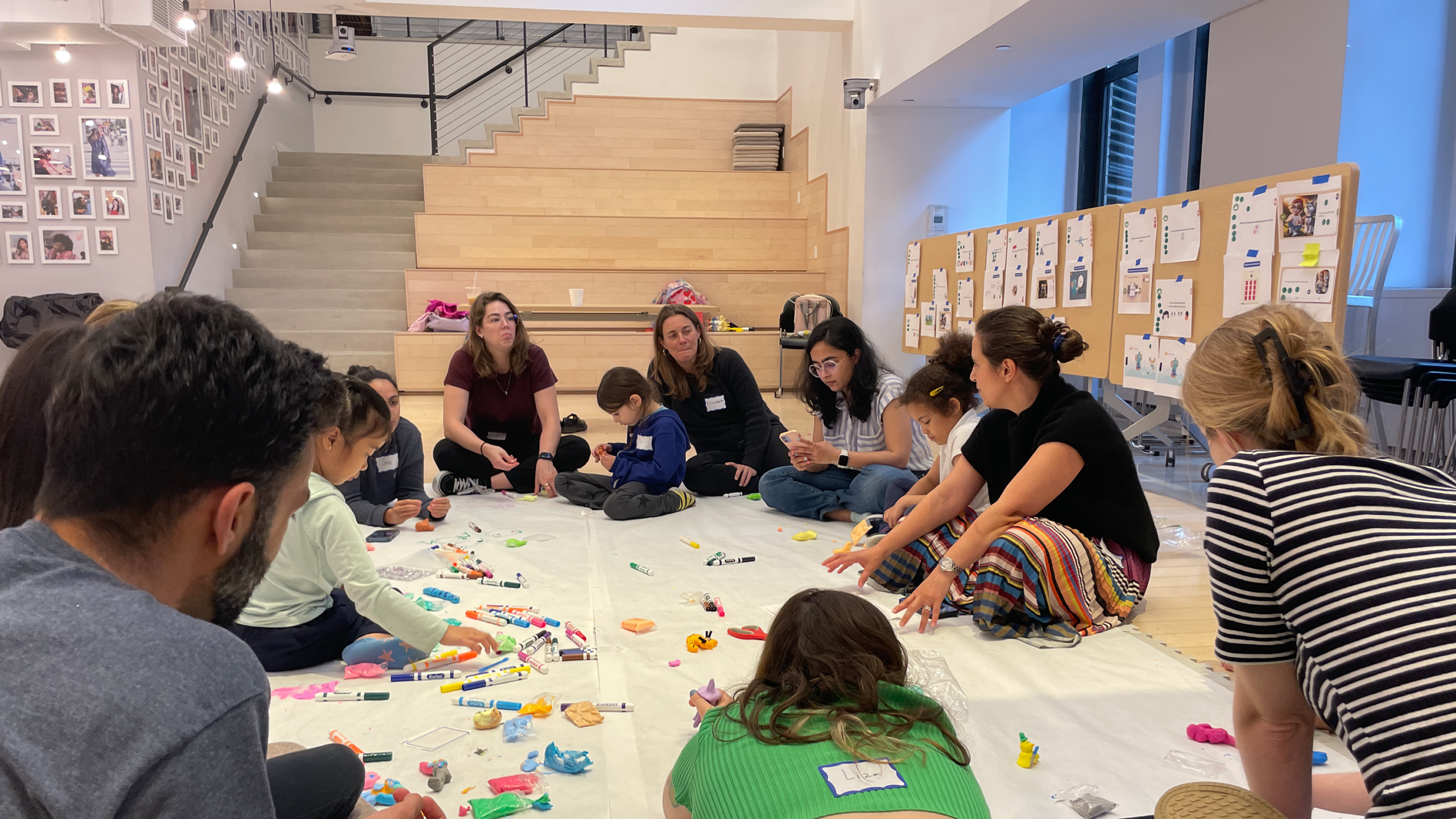
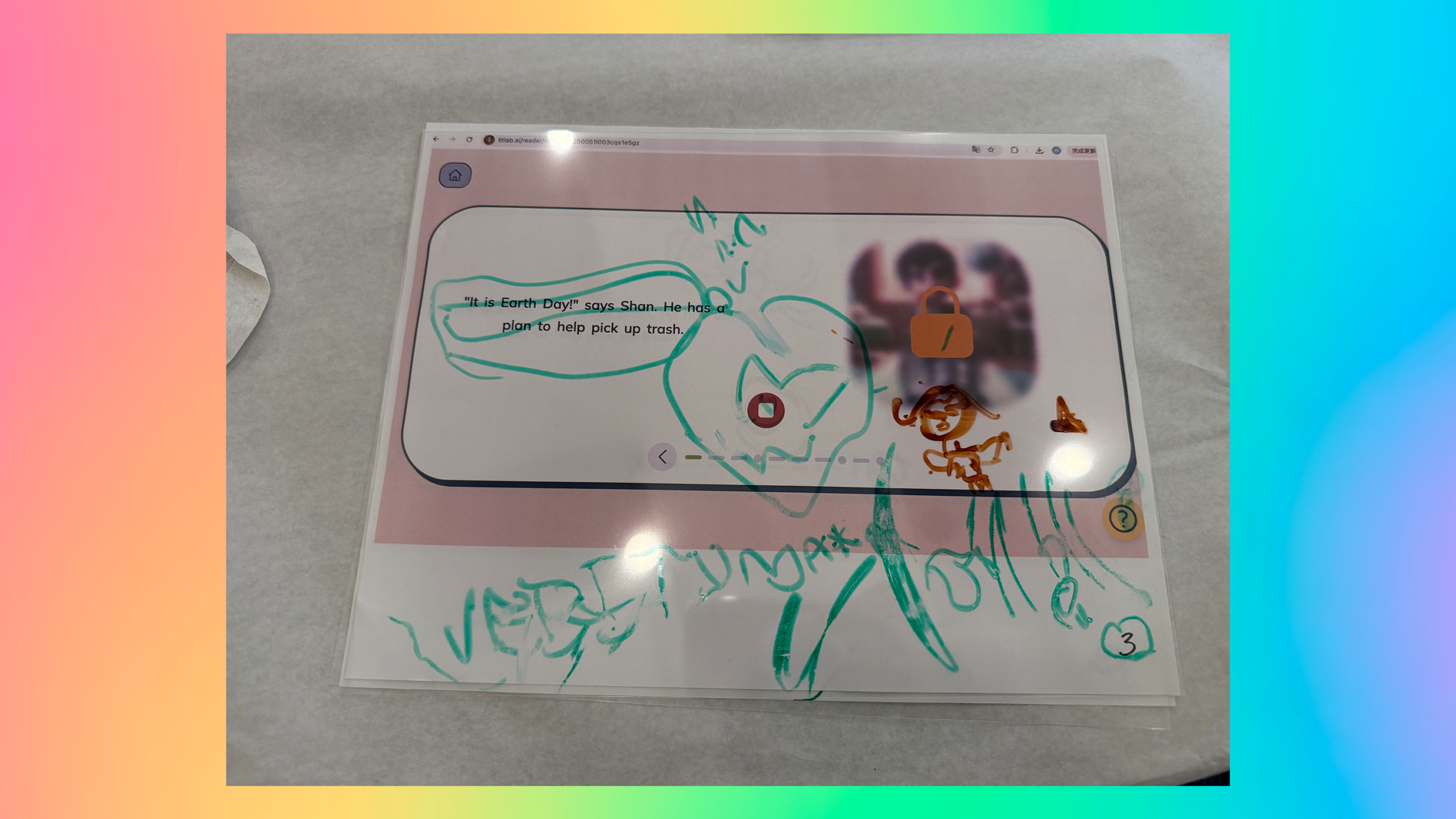
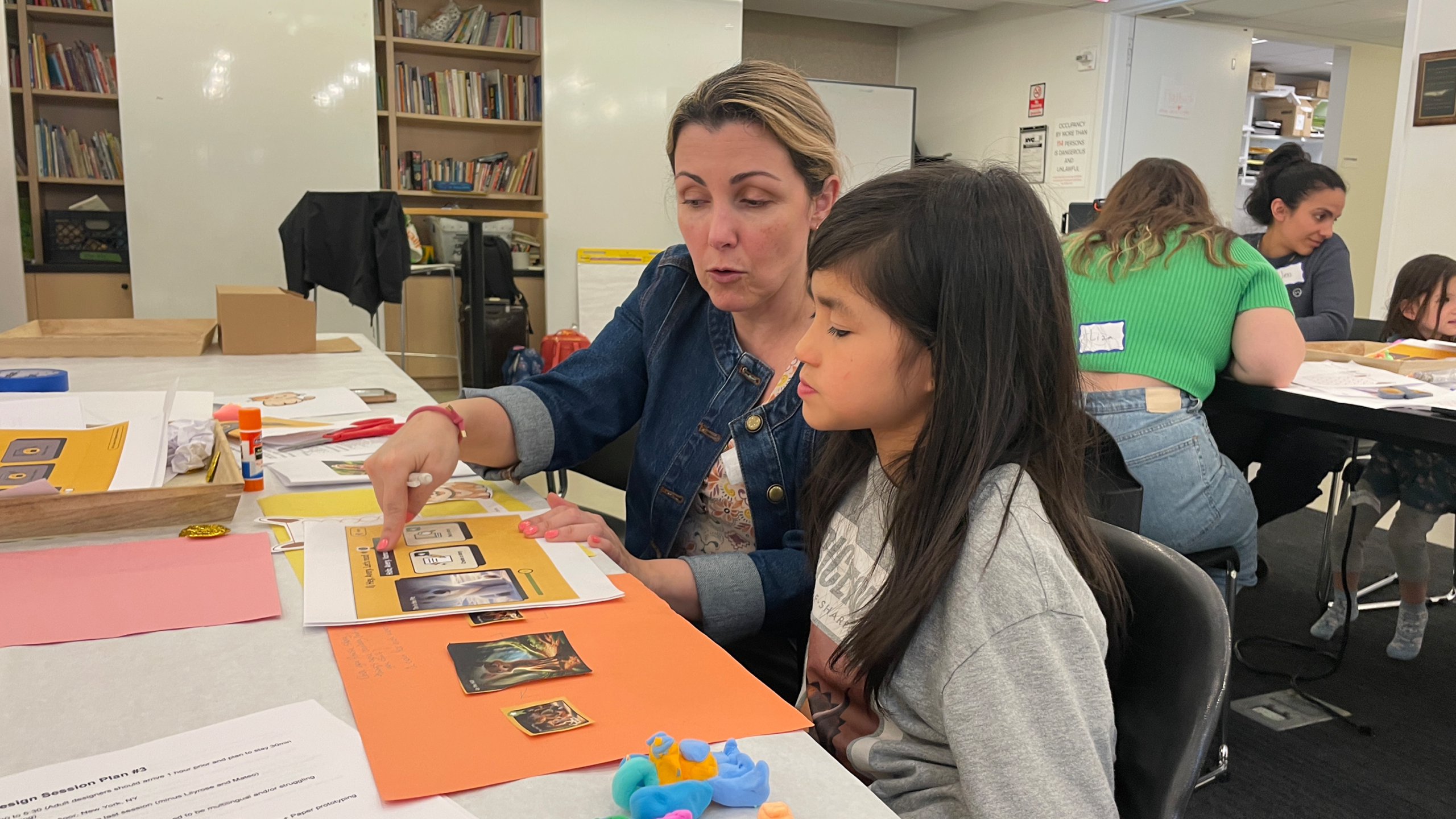
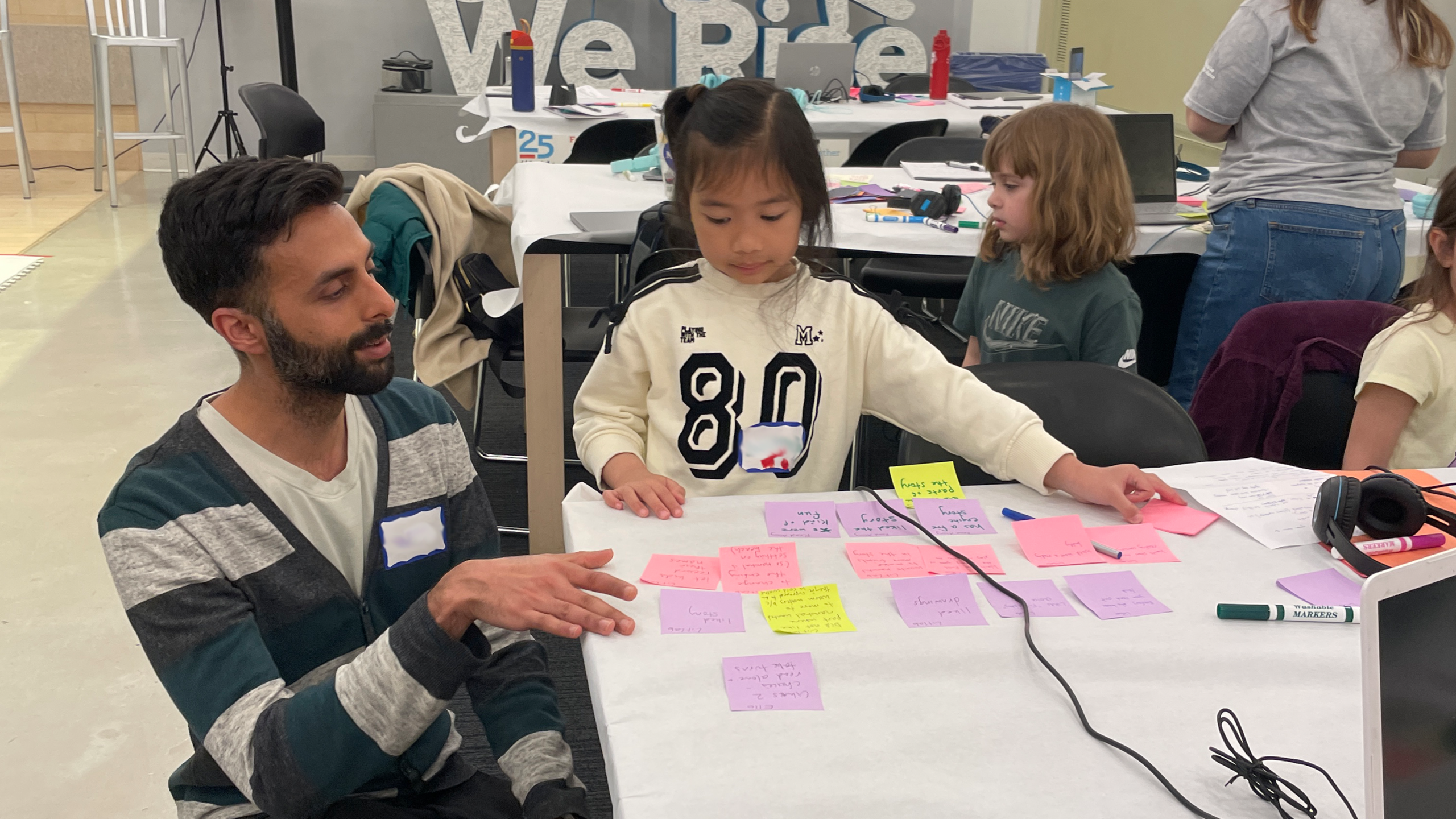
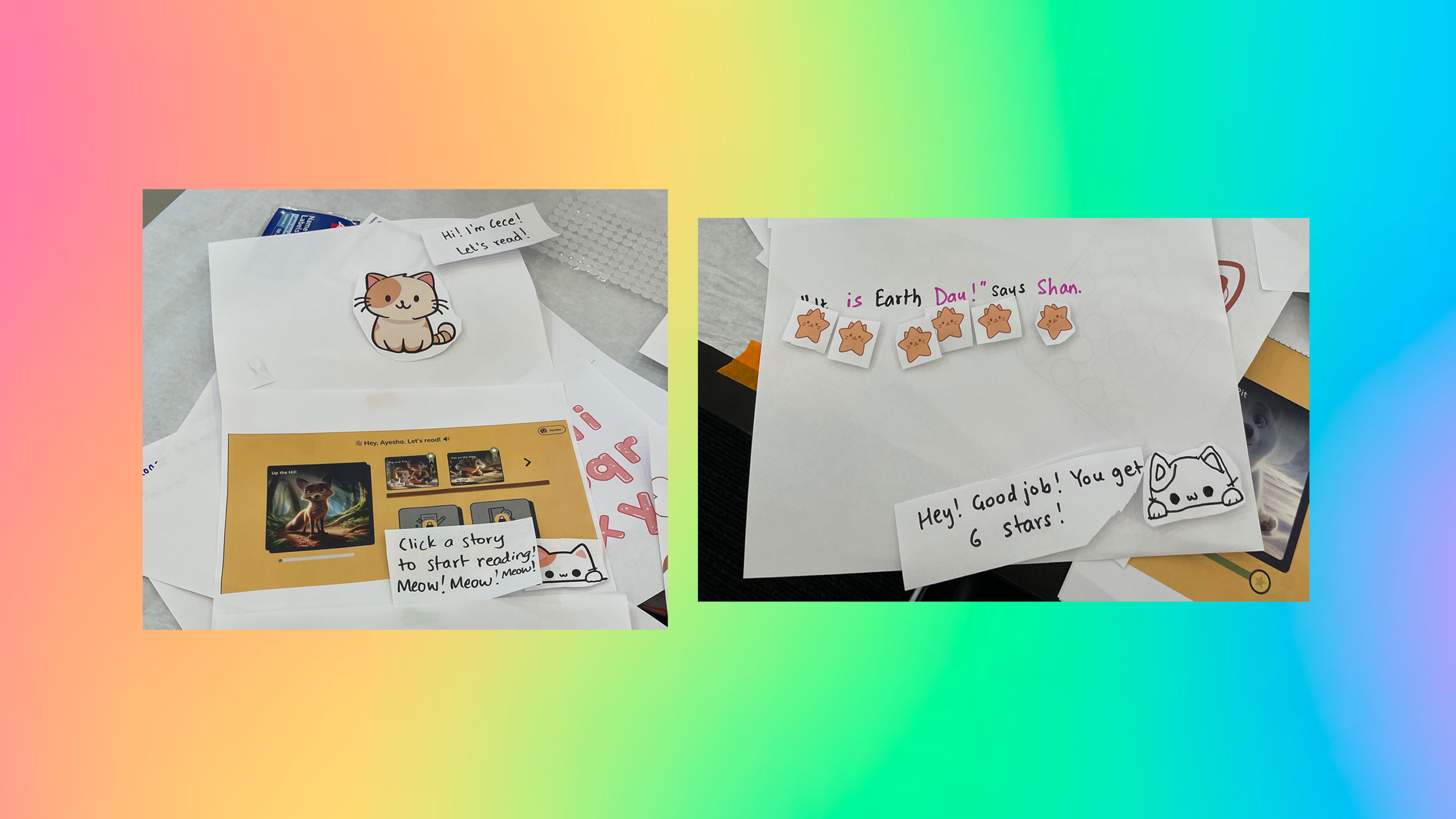
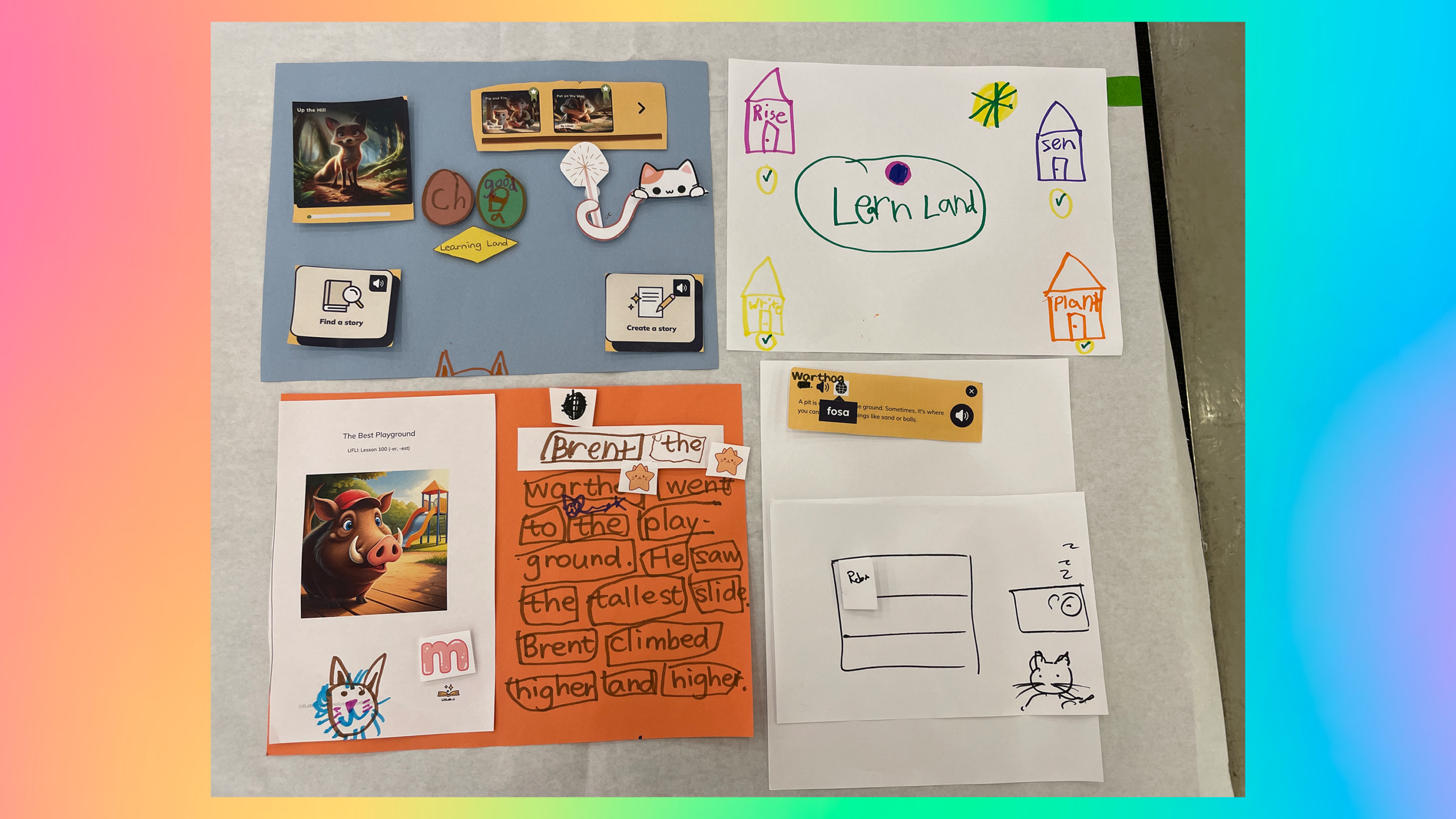
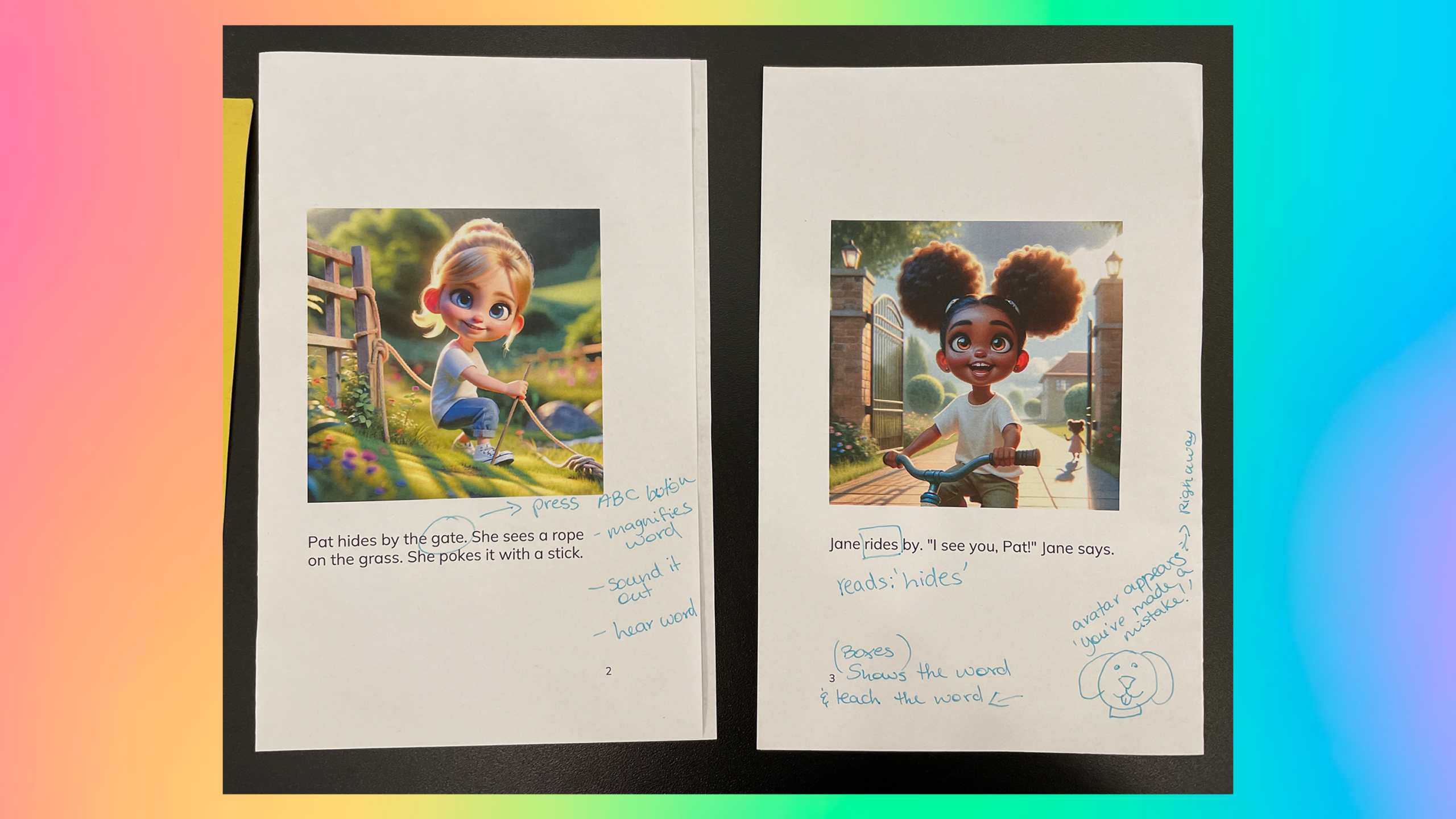
- The co‑design sessions focused on learning more about what gets kids to read aloud, and what kinds of feedback students need to keep reading. To better understand these questions, we used techniques like sticky noting, layered elaboration, roleplay design, and paper prototyping. These sessions offered transformative insights as the LitLab team learned to meaningfully engage with children as design partners, leading to key shifts such as a fully redesigned recording flow, the creation of distinct assessment versus practice modes, and child-inspired ideas for personalization and playfulness, including future avatar integration.
Final Product
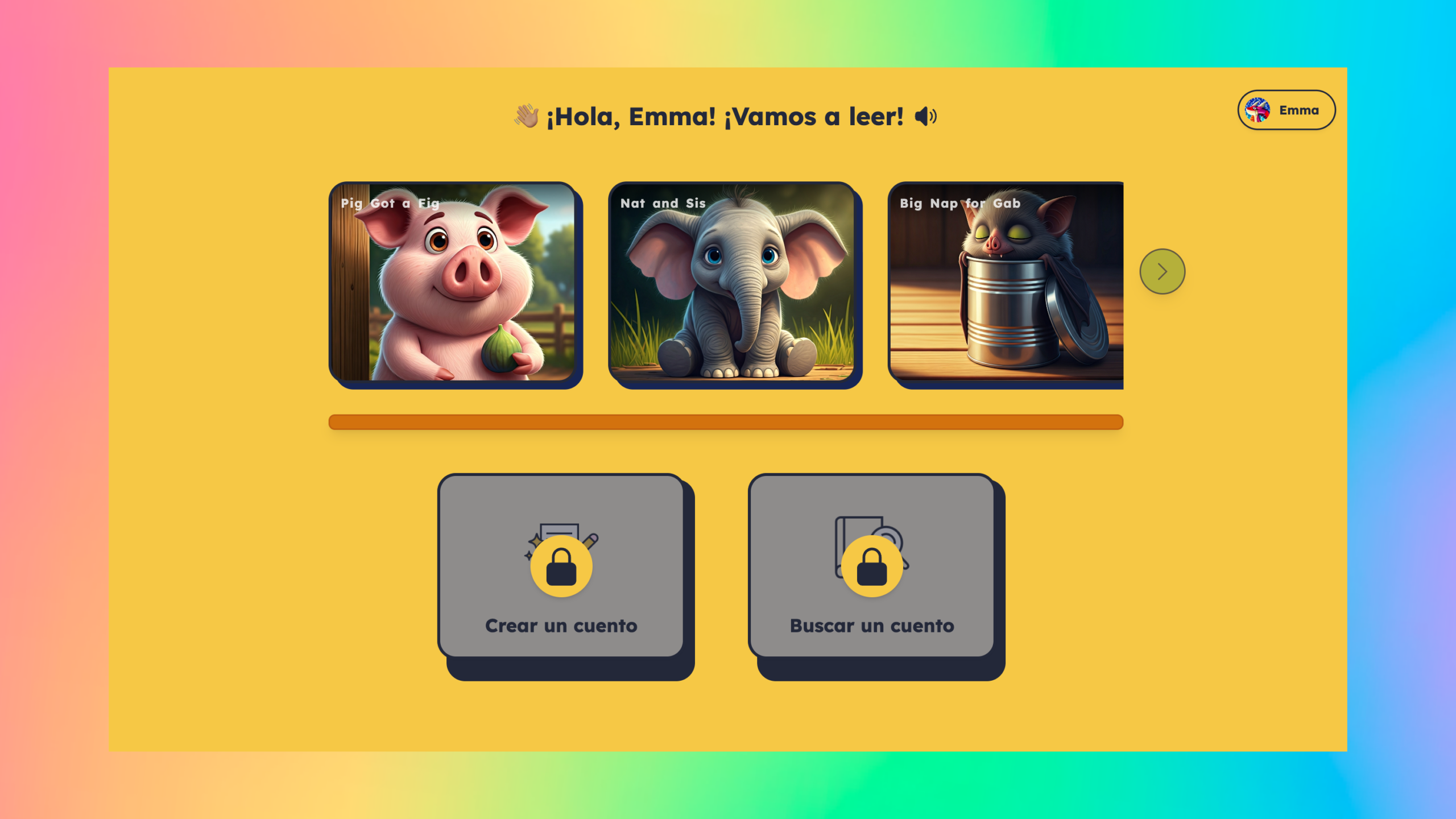
The final product evolved significantly due to the engagement with Sandbox. The updated LitLab product now includes ideas co-designed with kids:
- Clearer reading session flow: a one-click start/read-aloud experience with direct voiceover instructions (i.e., “click the start button to read aloud”), the audio permission flow reduced from three clicks to one, and celebratory page-reveal/page-flip moments
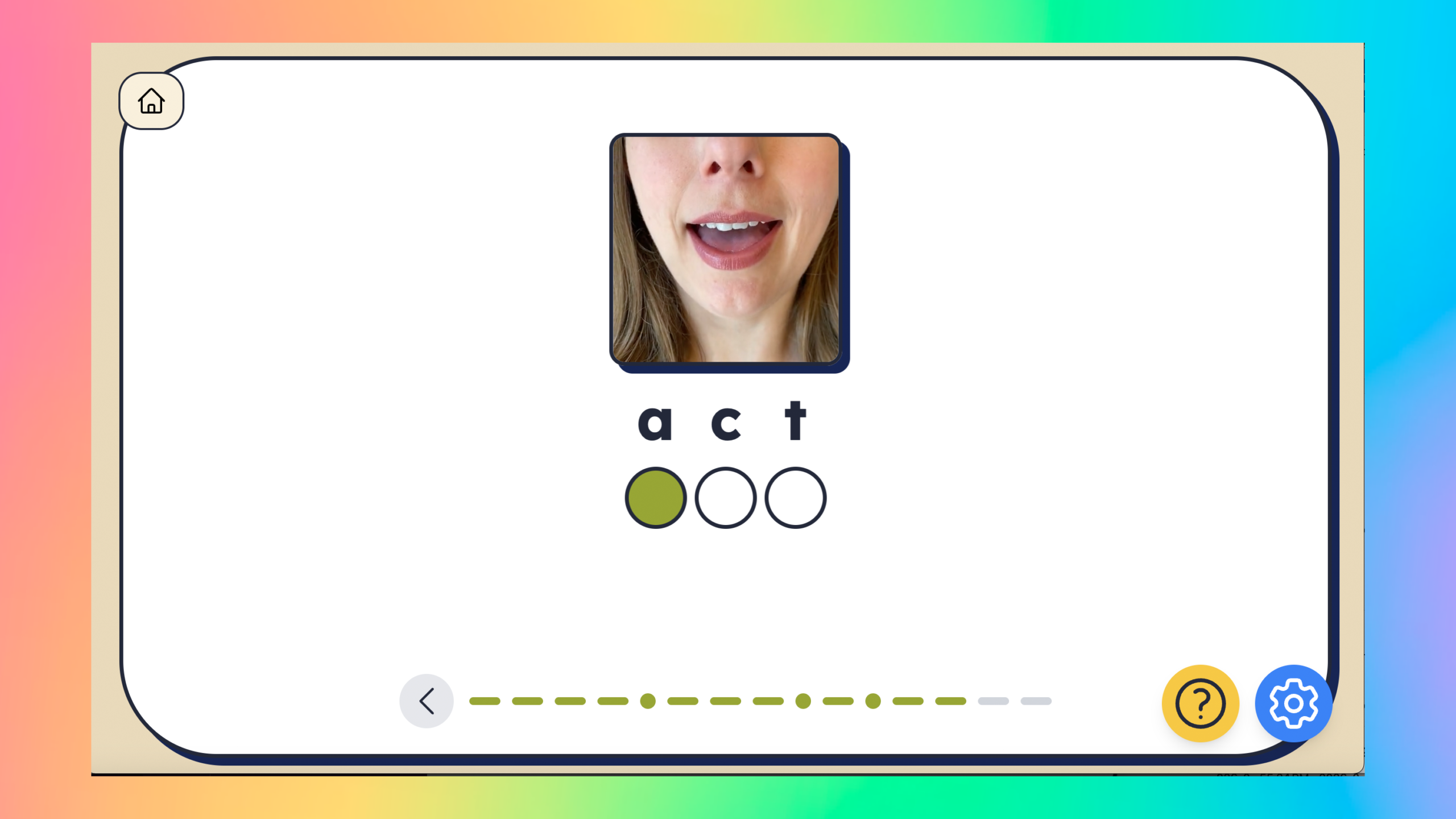
- Comprehension and decoding supports: live orthographic mapping feedback (say-the-sounds-then-blend prompts), word-by-word highlighting as the AI narrator reads aloud, immediate word pronunciation support
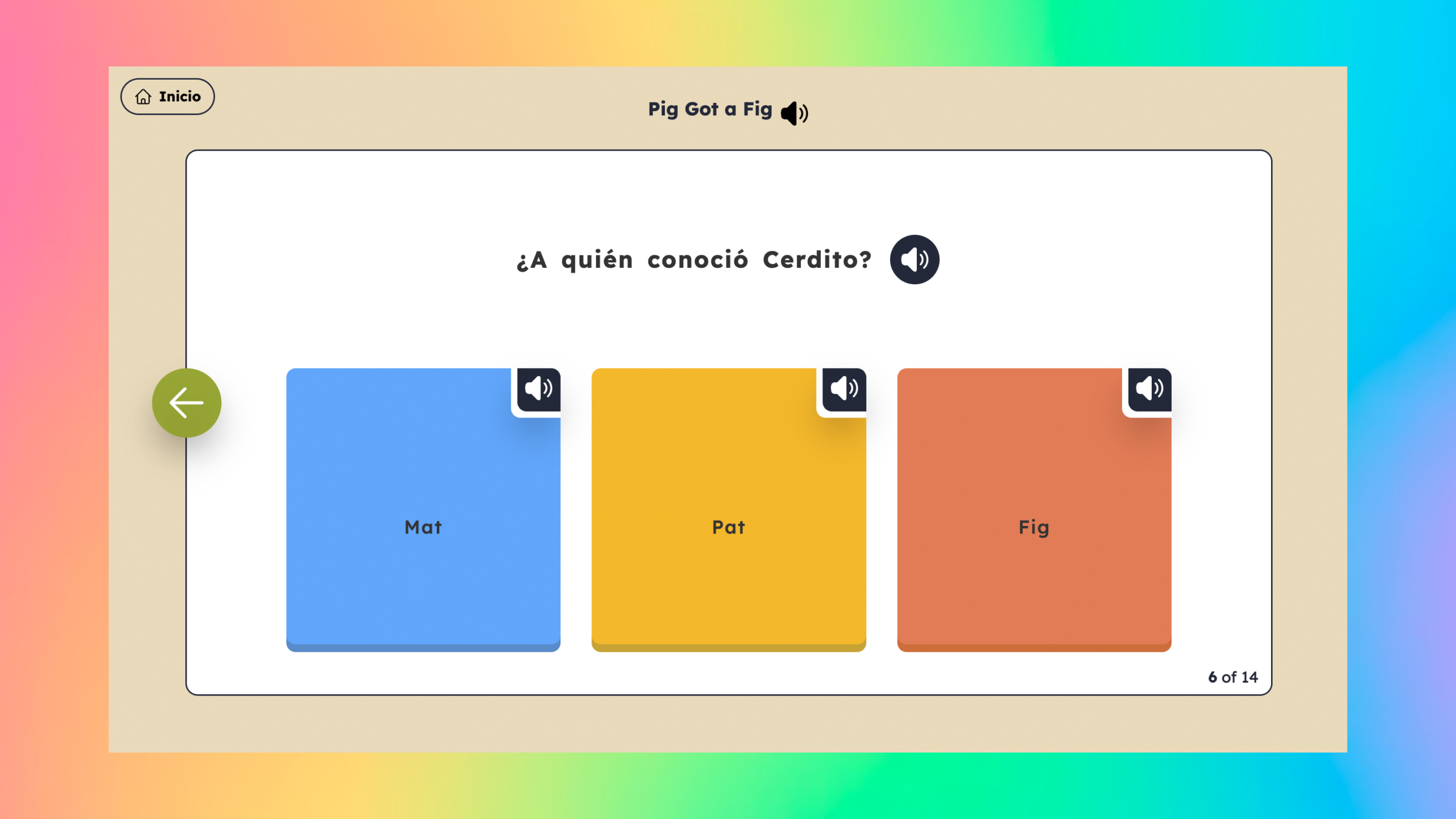
- Accessibility and language supports: a full Spanish support experience, dynamic font sizing, and dyslexia-friendly student-selectable font styles
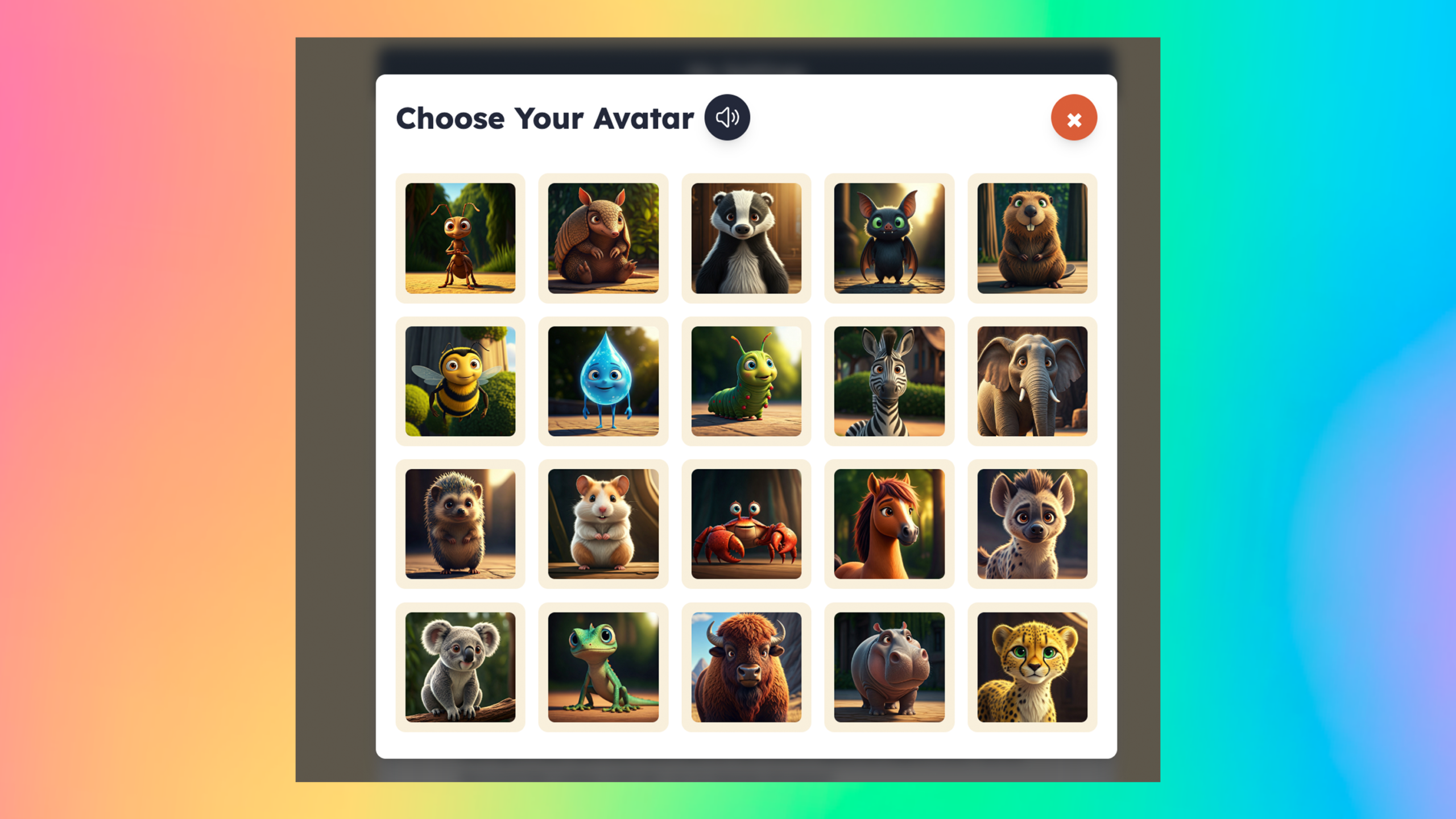
- Early personalization: students can now choose an avatar icon based on story characters
Project Photos