
Product
An edtech intervention for reluctant readers in grades 3-8. Currently in development with Magpie Literacy.
Team and Partners
Joan Ganz Cooney Center Sandbox, Dr. Jason Yip, Advanced Education Research & Development Fund (AERDF) Reading Reimagined program
Age and Demographic Target
9-13 year olds who are reluctant readers. Children who are reluctant readers were specifically recruited to participate in these co-design sessions aimed at creating technology for children who struggle with reading.
Product development stage
AERDF/Magpie Literacy will produce evidence-based educational technology intervention(s) to support literacy development for readers between 9-13 years old who need support with fundamental skills such as multisyllabic decoding. Co-design for Reading Reimagined was done at the requirements gathering stage, to generate ideas around motivations, interests, reading habits, reading identity, and barriers to reading for 9 to 13-year-old reluctant readers.
Background
The purpose of this project was to support AERDF in creating an edtech product to support reluctant readers. The Joan Ganz Cooney Center partnered with Dr. Jason Yip, co-design expert at the University of Washington, to run online co-design sessions for requirements gathering.
Design Question(s)
- What reading product experiences would tweens find motivating, confidence-building, and interesting?
- What features should it include?
- What would make it more or less frustrating?
Process
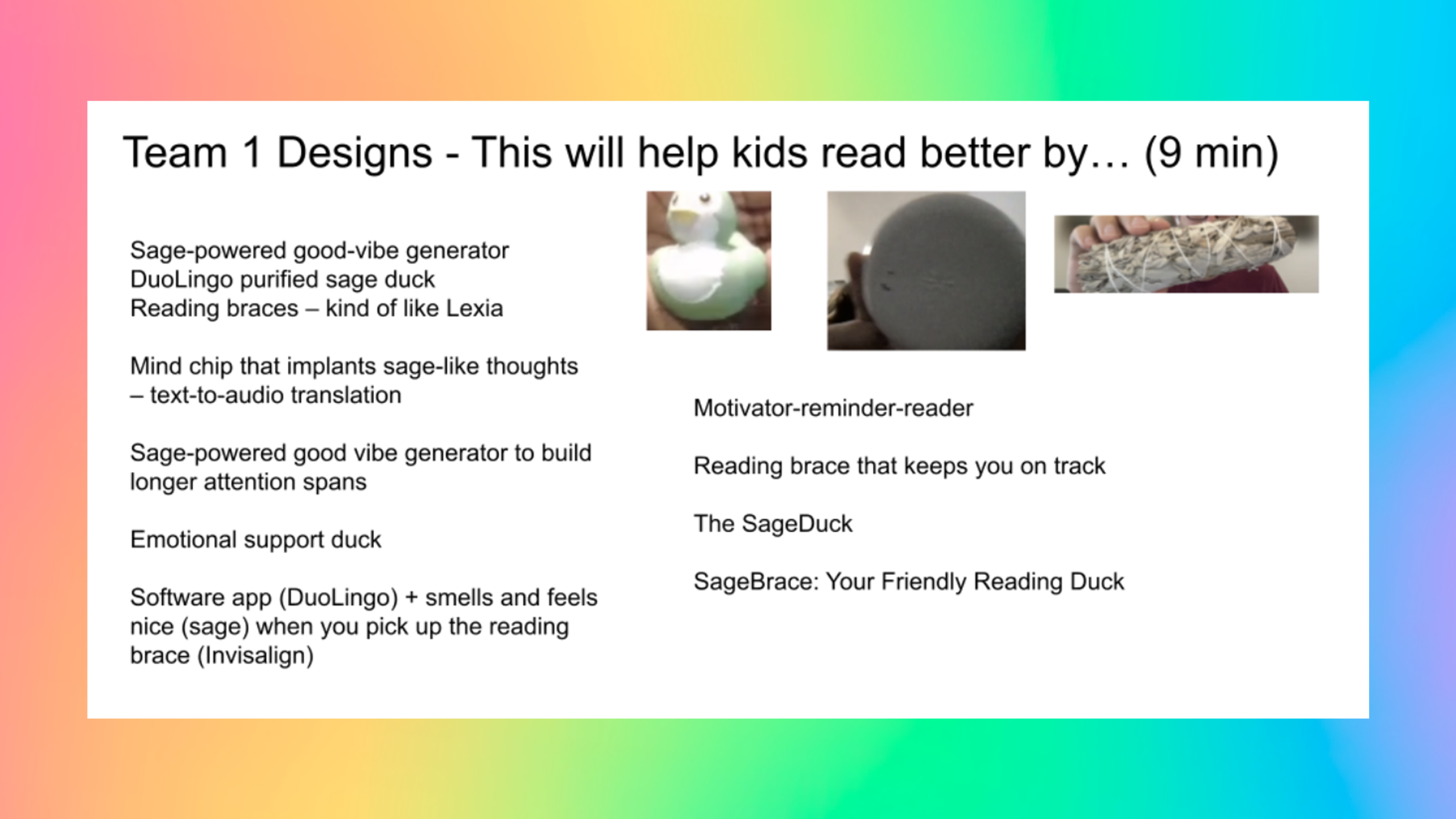
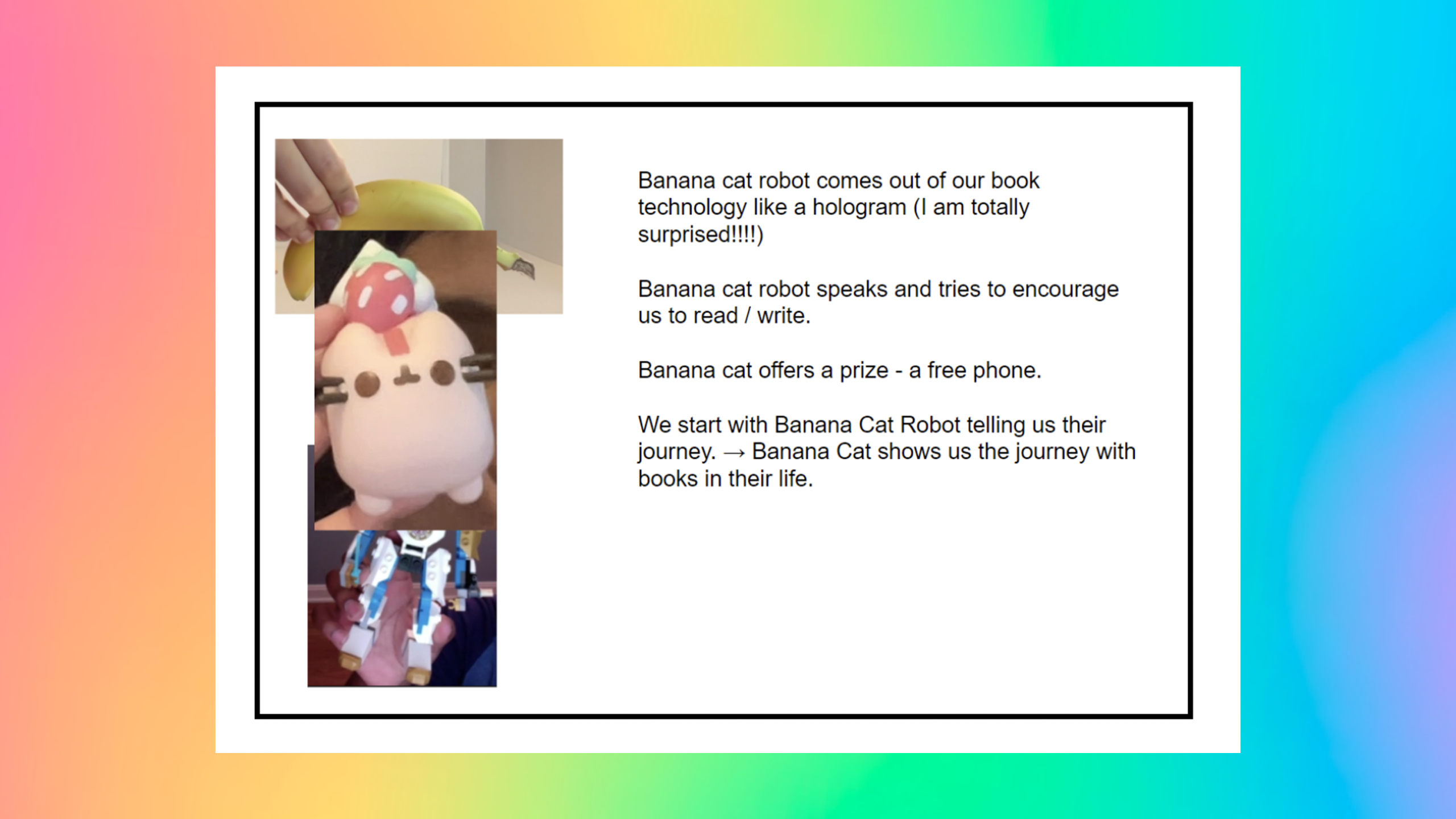
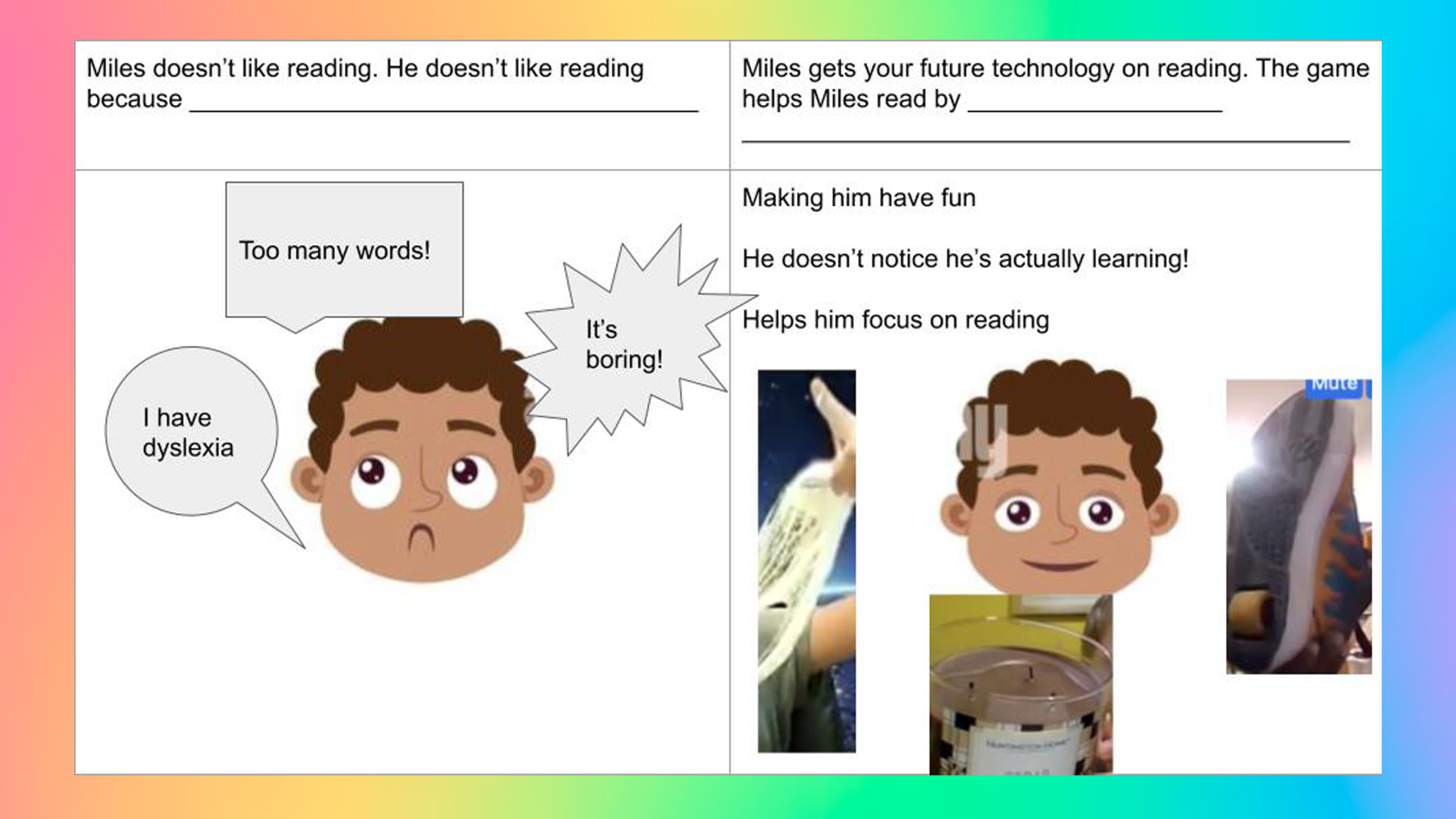
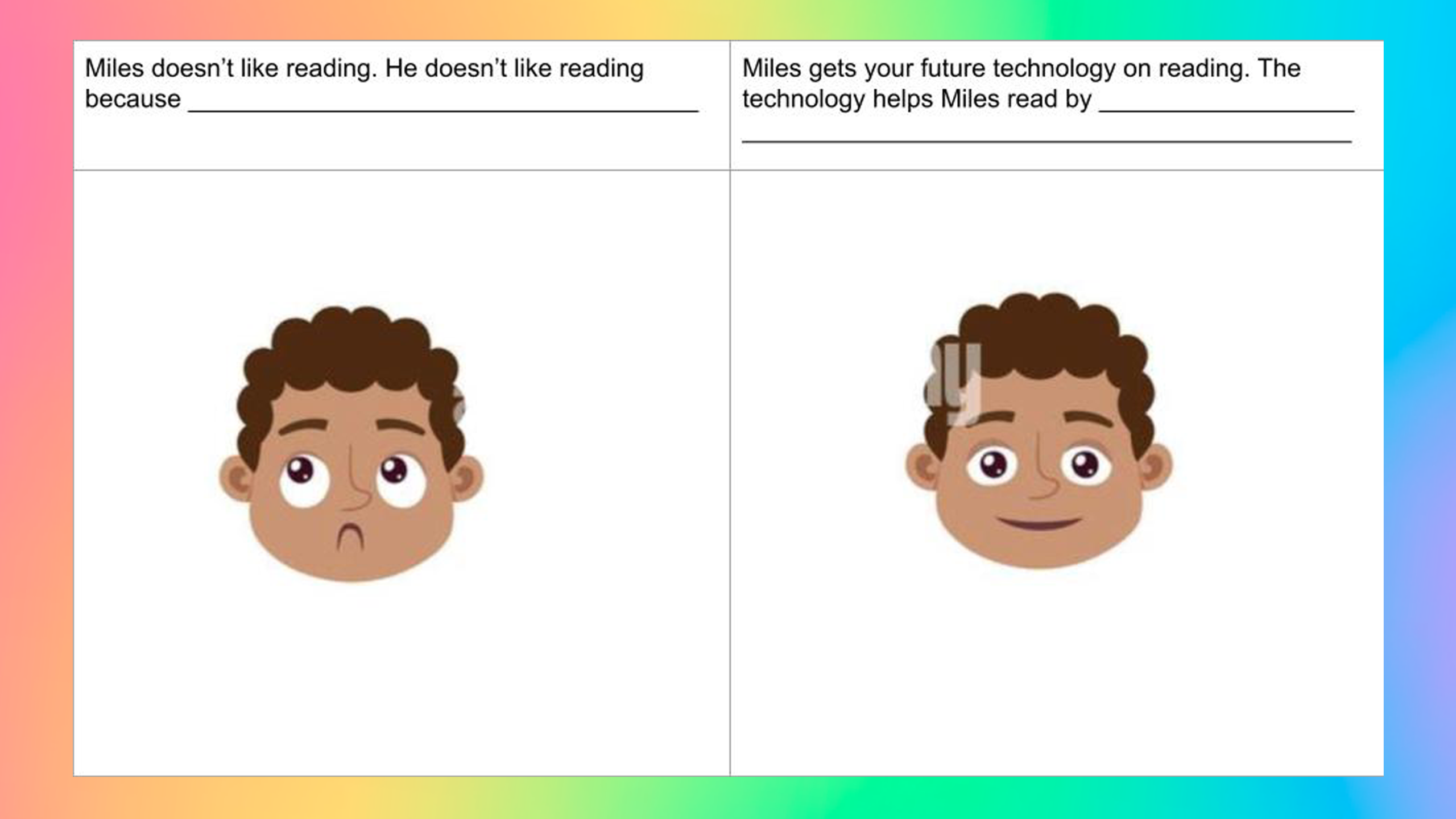
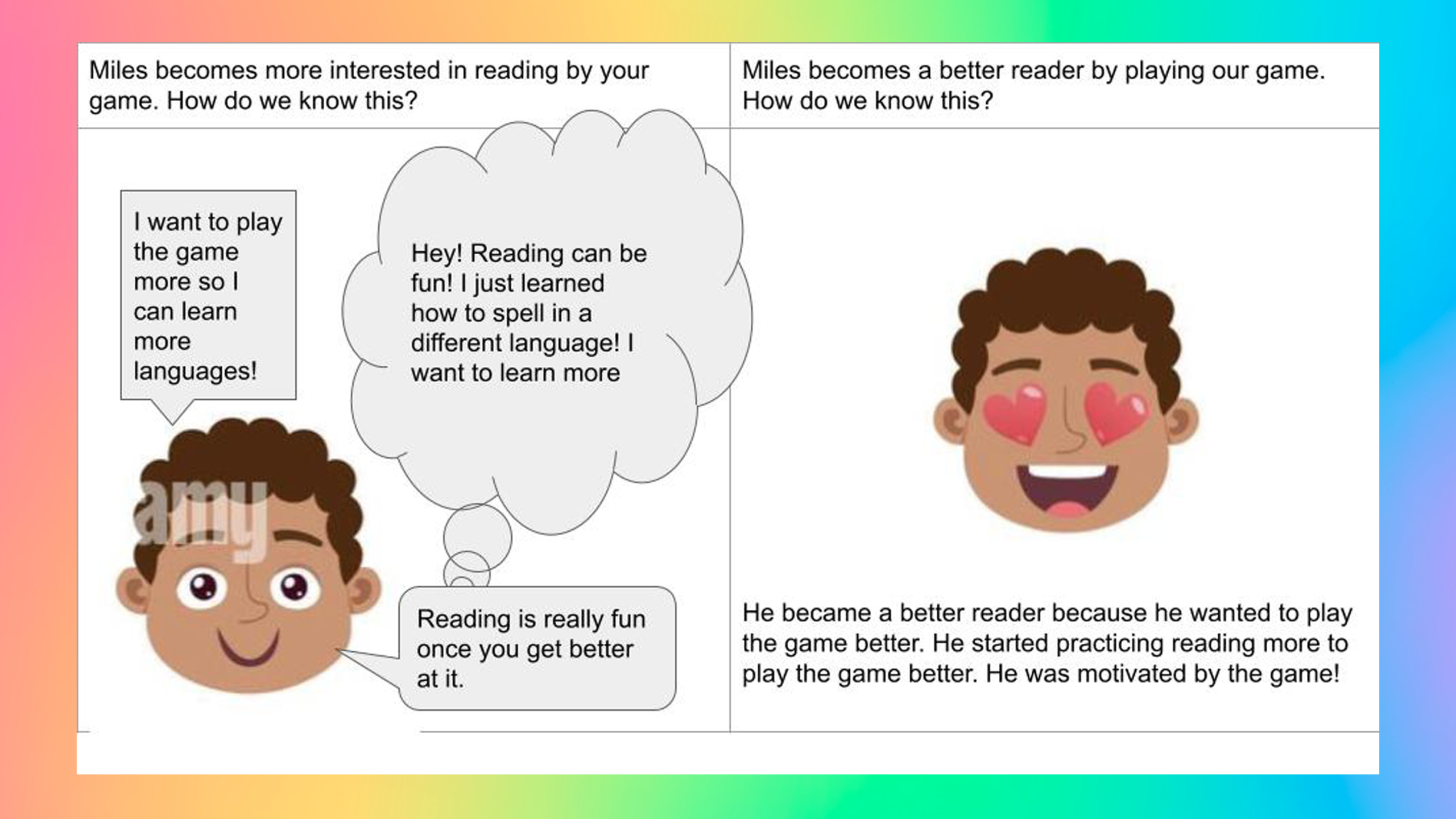
The co-design sessions for this project were held online. This allowed for a broader reach for participants, and thus for a diverse group of co-designers both in background and geographic location. Children in the target age range who were identified by their parents as reluctant readers were recruited as co-designers. During the co-design sessions, participants used a range of techniques, including online versions of Sticky Notes (Likes, Dislikes, and Design Ideas) on existing reading apps and products, Low-tech prototyping, and ComicBoarding.
Key Findings
While the product is still in development, the team aims to apply the findings from the sessions regarding barriers to and motivation for reading. Overall, co-designers indicated that technology designed to support their reading should be inclusive, adjustable, and address social-emotional as well as academic needs. For example, to break the stress that can be caused by reading, co-designers suggested humor or music. Dynamic content that can be flexibly changed emerged as a way to combat boring content. Avatars that are diverse on a number of factors including gender and ability were also noted as desirable.
Project photos