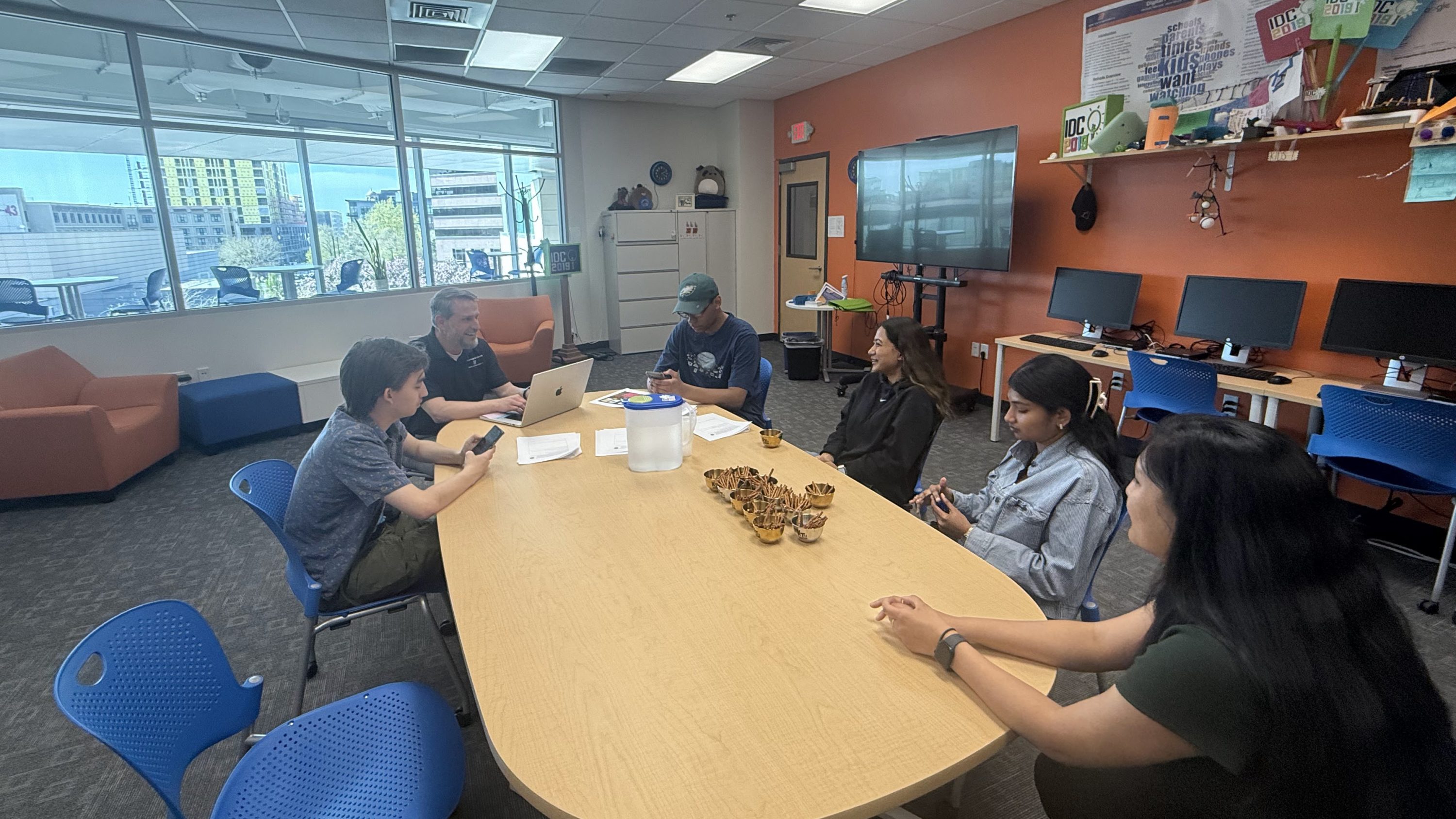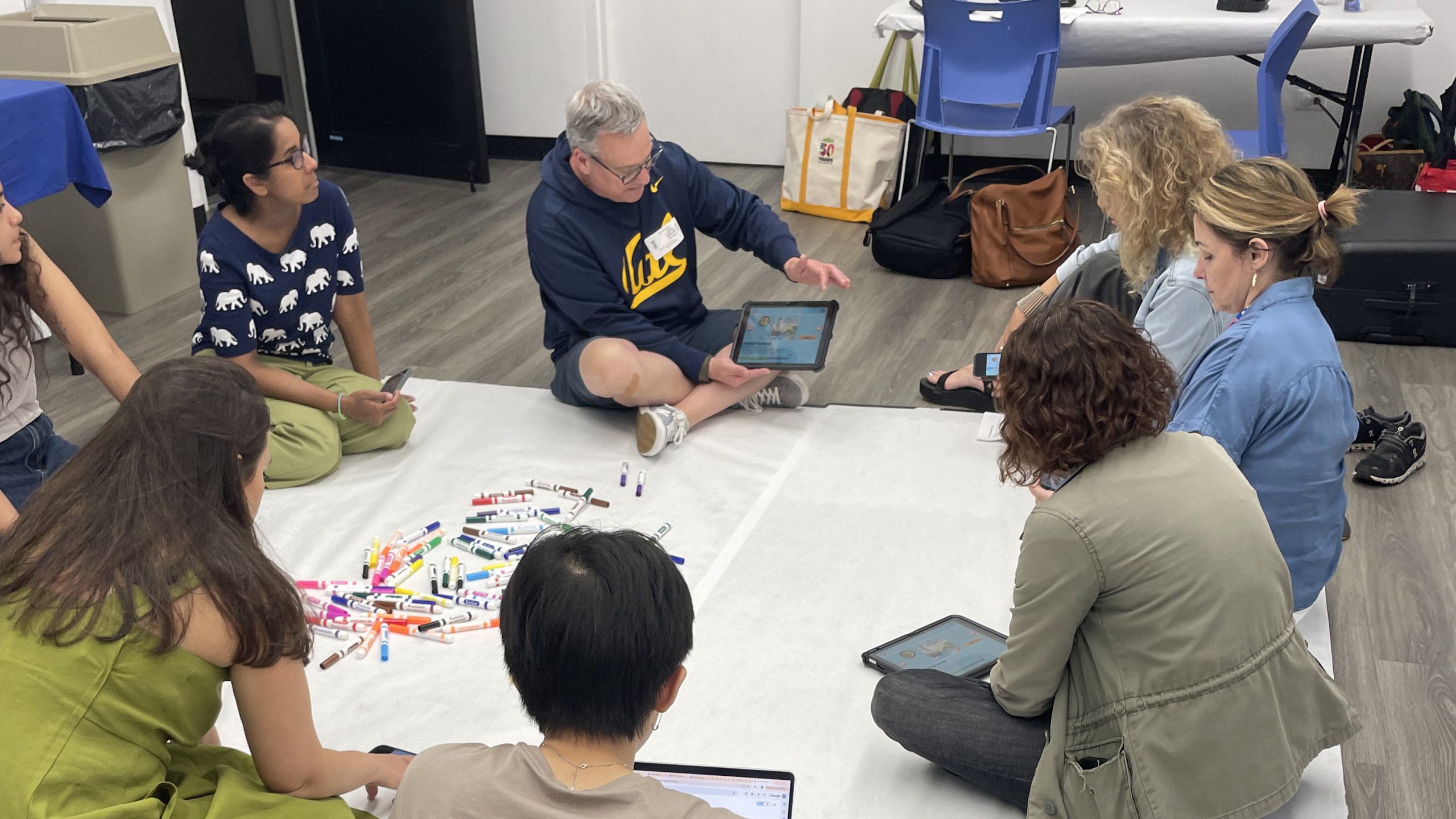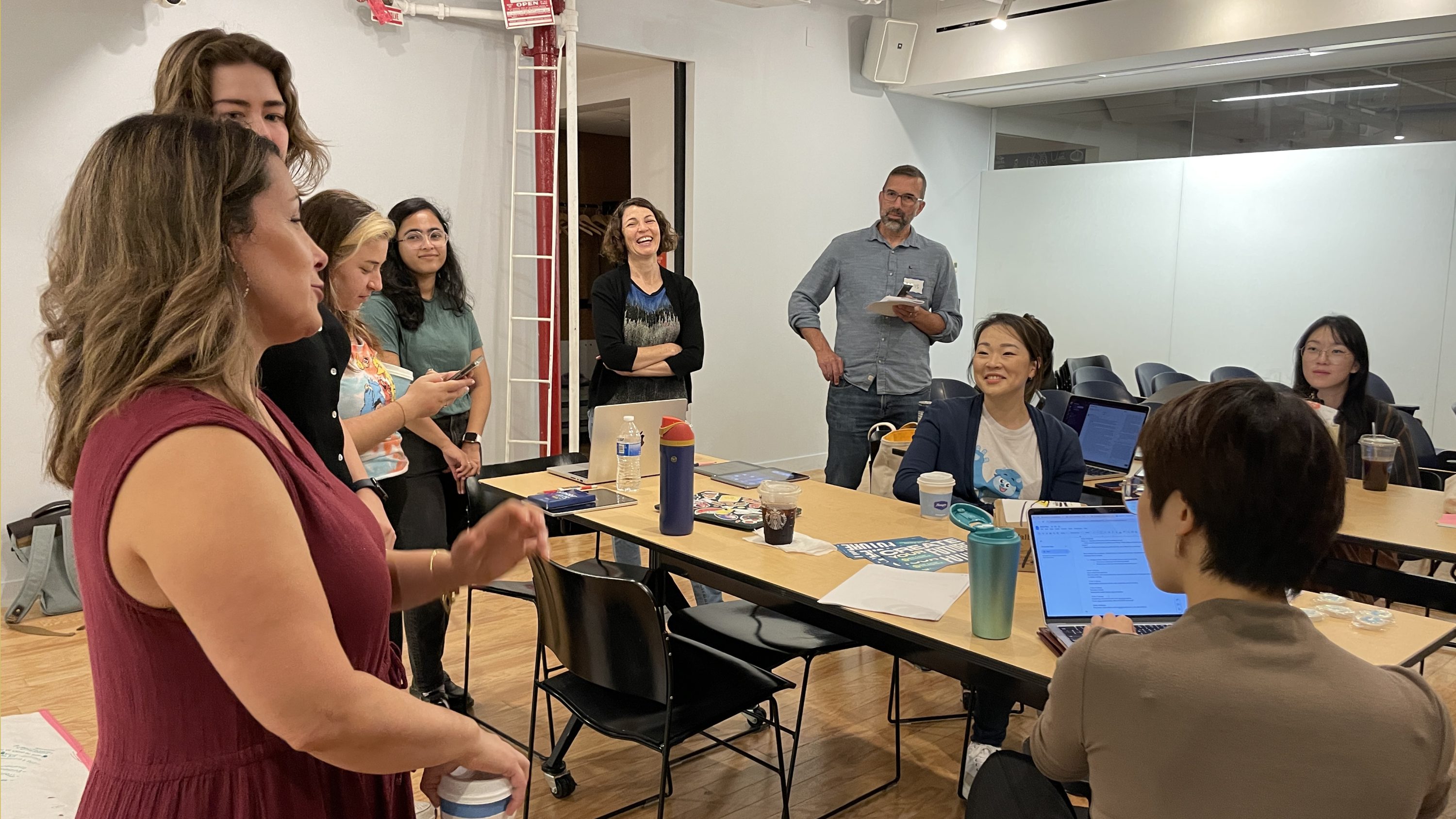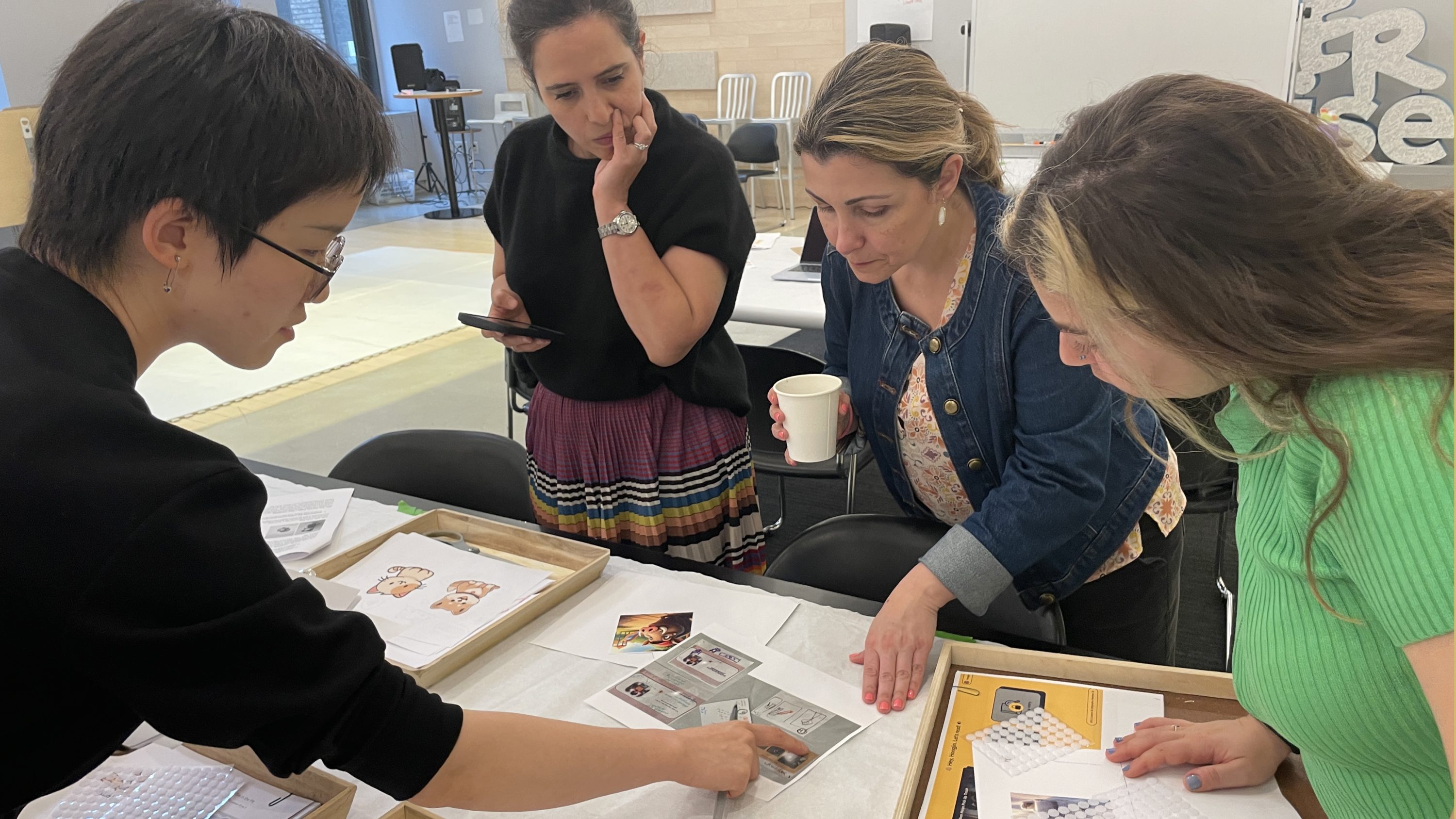

Much of the success of a co-design session comes down to the planning of the session. Adults should spend a significant amount of time between sessions planning what will happen at the next session. There is also work to do in setting up and preparing for a co-design session.
- In order to plan a co-design session, depending on the makeup of your team, this might mean meeting with all of the adults on your team, a subset of the adults, or with an outside partner. Before the session, you will need to define the design challenge or question for the day. While this can sound deceptively simple, narrowing in on a specific design question is important for the success of the session, and to ensure that relevant information for the design question is produced.
- Once a design question is agreed upon, the rest of the session, including Question of the Day and technique, can be chosen. Consider if your design question falls into requirements gathering, brainstorming, iterating, or evaluating, and choose a technique from that group.
- It can also be helpful to think ahead about the makeup of each small design group. Pre-planning the small groups can save time during the actual session, as well as allow consideration of how some partners interact with each other and if there is a reason to break down groups in a certain way, such as grouping the youngest design partners together.
- Before the session, be sure to check that you have all supplies needed for the technique you plan to employ before the session.
- Especially if you are using a shared space, be sure to arrive early enough to set up anything you need to, including moving furniture, setting up an area for a whole group meeting, hanging up chart paper, and setting up snacks. We have generally found that asking adults to arrive 20-30 minutes before the official start of a session means that you will have ample time to do these setup tasks, as well as simultaneously talk through the session and what everyone’s role will be.